
Nothing ruins an interior house painting project faster than messy, bleeding paint lines. You spend hours taping, prepping, and carefully rolling on fresh color—only to peel back the tape and find jagged edges that make your walls look sloppy. If you want to know how to paint straight lines on walls without the frustration, you’re not alone. This is one of the most common struggles homeowners face when tackling a paint job themselves.
The good news? Getting crisp, professional-looking lines isn’t magic. It comes down to a few simple techniques that the pros use every single day.
Key Takeaways:
- The type of tape you use matters less than how you apply it.
- Sealing your tape edges before painting prevents most bleeding issues.
- Removing tape at the right time makes a huge difference in your results.
- Surface prep is half the battle when it comes to clean lines.
- Knowing when to skip the tape altogether can save you time and improve your outcome.
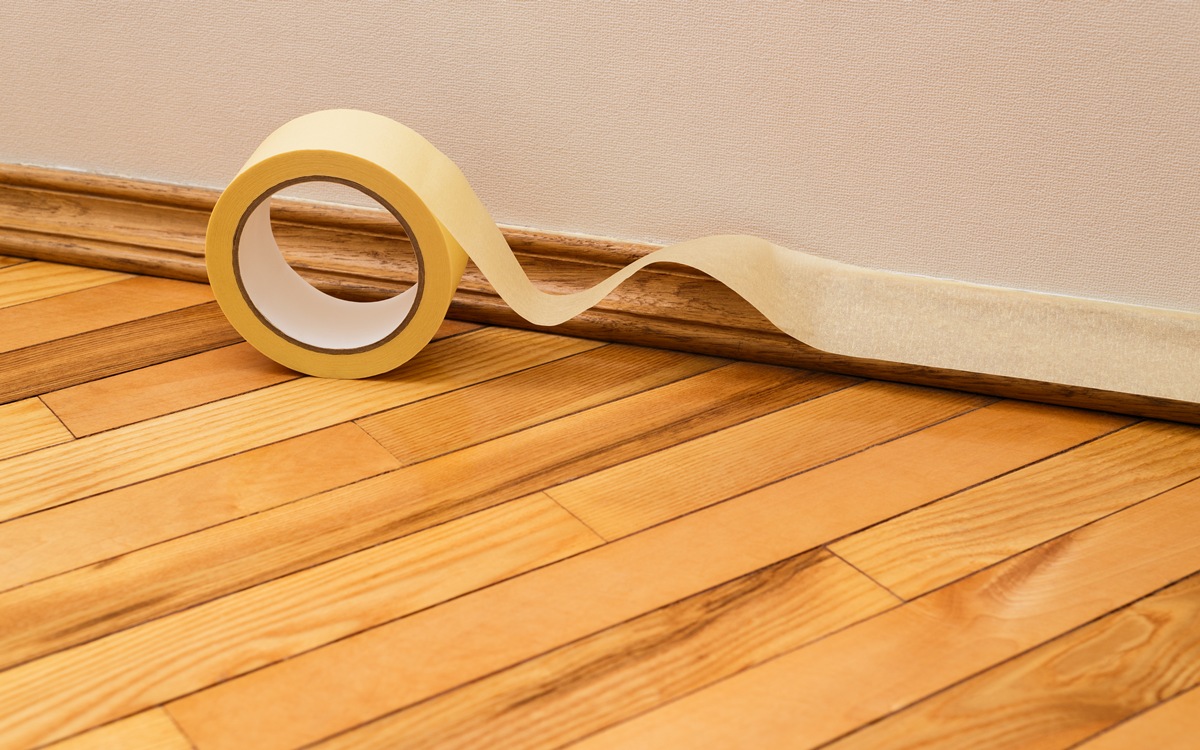
Why Paint Bleeds Under Tape (And How to Stop It)
Here’s what most homeowners don’t realize: painter’s tape isn’t waterproof. It’s designed to stick to surfaces and peel off cleanly, but it has tiny gaps along its edges. When you roll or brush paint over those edges, liquid seeps underneath and creates that dreaded bleeding effect.
The surface underneath plays a role too. Textured walls, rough patches, and even dust can prevent tape from making full contact. When there’s a gap—even a tiny one—paint finds its way through.
So how do you fix this? You seal the edges before applying your main coat.
The Tape-Sealing Trick Professional Painters Swear By
This technique alone will change your results overnight. After you apply your painter’s tape, take a small brush or mini roller and apply a thin coat of the base color (the color that’s already on the wall) along the tape edge.
Wait for it to dry completely.
What happens is simple but effective: that first coat of base color seeps into any tiny gaps and seals them shut. When you apply your new color over the top, it can’t bleed through because the barrier is already there.
This extra step takes maybe 10 minutes and costs you nothing but a little patience. Yet it’s the difference between amateur results and walls that look like a pro painted them.
How to Paint Straight Lines on Walls With Perfect Tape Application
Even the best sealing technique won’t help if your tape isn’t applied correctly in the first place. Here’s how to get it right:
- Start with a clean surface. Wipe down the area where you’ll apply tape with a damp cloth. Let it dry completely. Dust, cobwebs, and grime prevent tape from sticking properly.
- Use fresh tape. Old tape loses its adhesive strength. If your roll has been sitting in the garage for two years, buy a new one. It’s a small investment that pays off.
- Apply firm, even pressure. Run your finger or a putty knife along the entire length of tape to press it down. Pay extra attention to the edge where paint will meet the tape. This is where bleeding starts.
- Work in manageable sections. Don’t try to run one long piece of tape across an entire wall. Shorter sections are easier to control and less likely to twist or buckle.
- Check your lines before painting. Step back and look at your tape from different angles. Fix any crooked secti
The Right Way to Remove Painter’s Tape
You’ve done everything right. The paint looks great. Now comes the moment of truth: pulling off the painter’s tape.
This is where many homeowners make a critical mistake. They wait too long.
If you let paint dry completely and then rip off the tape, you risk peeling dried paint right off the wall. The paint forms a film that bridges the tape edge, and when you pull, it tears.
The sweet spot is when paint is dry to the touch but not fully cured. For most latex paints, this means removing tape within one to four hours after your final coat. The paint should feel dry when you touch it lightly, but it hasn’t hardened into a solid film yet.
Pull the tape back on itself at a 45-degree angle. Go slowly and steadily. If you see any spots where paint is pulling up, stop and use a utility knife to score along the edge before continuing.
When to Skip the Tape Entirely
Here’s something that might surprise you: professional painters often don’t use tape at all.
Wait—what?
It’s true. Many experienced painters prefer a technique called “cutting in,” where they use a high-quality angled brush to paint clean lines freehand. With practice, this method is faster and produces results just as good as taping—sometimes better.
Cutting in works especially well for:
- Ceiling lines where walls meet ceilings
- Door and window trim
- Inside corners where two walls meet
- Areas with textured surfaces where tape won’t seal properly
The catch? It takes practice. If you’re new to painting, tape is your friend. But if you paint regularly or want to build your skills, learning to cut in will save you hours of prep time on future projects.
Tools That Make a Difference
Not all painting tools are created equal. When you’re chasing crisp lines, the right equipment helps.
- Angled brushes give you more control than flat brushes. A 2-inch or 2.5-inch angled brush is ideal for cutting in along edges.
- Quality painter’s tape does perform better than bargain brands. FrogTape and ScotchBlue are popular choices because their adhesive is designed to resist paint bleed. Look for tape labeled “for sharp lines” or “multi-surface.”
- A paint edger tool can help beginners get straighter lines when cutting in. These tools have small pads or wheels that guide your brush along edges. They’re not perfect, but they help build confidence while you develop your freehand skills.
- Good lighting matters more than you’d think. Set up extra lights so you can see exactly what you’re doing. Shadows hide mistakes until it’s too late.
Common Mistakes That Ruin Your Lines
Knowing what not to do is just as helpful as knowing what to do. Avoid these common errors:
- Applying paint too thick near edges. Heavy coats are more likely to seep under tape. Use thin, even coats near tape lines and build up coverage gradually.
- Leaving tape on overnight. Tape adhesive can bond permanently to walls if left too long, especially in humid conditions. Remove tape the same day you finish painting.
- Taping over fresh paint. If you’re doing multiple colors in the same room, let the first color cure for at least 24 hours before taping over it. Fresh paint will peel right off otherwise.
- Rushing the prep work. Skipping steps like cleaning walls or pressing down tape edges always shows up in the final result.
What Clean Paint Lines Actually Look Like
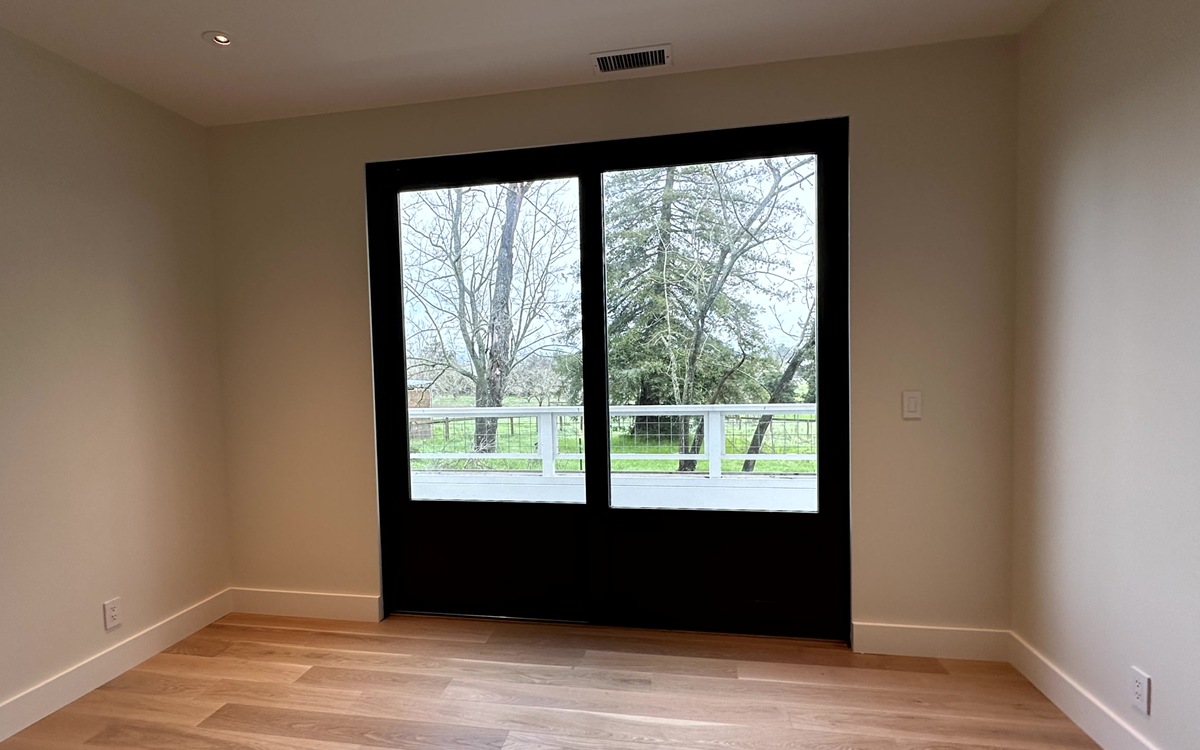
When you get your technique dialed in, the difference is obvious. Lines are sharp enough that they look like the two colors never touched wet. There’s no feathering, no bleeding, no fuzzy edges where colors blur together.
Your trim stands out crisp against your walls. Your ceiling line is so straight it looks like it was done with a laser. Accent walls have perfect borders that draw the eye without any distracting imperfections.
This is what separates a professional-looking paint job from a DIY disaster. And now you have the techniques to make it happen.
Sometimes the Best Move Is Calling a Pro
Let’s be honest: painting is time-consuming work. Between prep, priming, multiple coats, and cleanup, even a single room can eat up an entire weekend. And if you’re dealing with high ceilings, multiple colors, or detailed trim work, the time investment grows fast.
There’s no shame in deciding your time is better spent somewhere else.
Professional painters have spent years perfecting their technique. They know how to paint straight lines on walls without tape because they’ve done it thousands of times. They have the tools, the skills, and the efficiency that comes from doing this work every single day.
When you hire a pro, you skip the learning curve. You skip the trips to the hardware store for supplies you forgot. You skip the frustration of peeling back tape to find bleeding edges.
Instead, you get results—clean, crisp, professional results—without the hassle.
Want Your Walls to Look Professionally Painted?
If you’ve read this far, you care about quality. You want your home to look its best. Whether you decide to tackle your next paint project yourself or hand it off to someone who does this for a living, you now know what separates good results from great ones.
At Rojas Painting, we paint homes with the kind of precision and care that shows in every corner, every edge, and every line. Our team treats your home like it’s our own, and we don’t cut corners—we cut in perfectly.
Give us a call at 707-353-7471 to schedule a free estimate. We’ll walk through your project together, answer your questions, and show you what’s possible when you work with painters who take pride in every detail.
Your walls deserve to look amazing. Let’s make it happen.

