
Your kitchen cabinets look tired. The color feels dated, the finish is worn, and every time you walk into the room, you wonder if a full renovation is the only answer. Here’s the good news: skilled cabinet painters can transform your kitchen in a fraction of the time and cost of a full remodel. But before you hire a pro, you probably want to know exactly what happens from start to finish. Understanding the professional cabinet painting process removes the mystery and helps you prepare your home—and your expectations—for stunning results.
Key Takeaways:
- Professional cabinet painting typically takes 3-7 days depending on kitchen size and complexity.
- Proper preparation accounts for about 70% of the work and determines the final quality.
- Expect your kitchen to be partially unusable during the project.
- High-quality cabinet painting involves multiple coats of primer and paint.
- Professional results can last 10-15 years with proper care.
- The process includes cleaning, sanding, priming, painting, and curing time.
Why Preparation Makes or Breaks Your Cabinet Project
Walk into any paint store and you’ll hear the same advice: preparation is everything. This isn’t just a saying—it’s the difference between cabinets that look factory-fresh and cabinets that start peeling within months.
Professional cabinet painters spend the majority of their time on prep work. This phase includes removing all cabinet doors, drawers, and hardware. Each piece gets labeled so everything returns to its exact original location. Your painters will then clean every surface to remove grease, grime, and residue that has built up over years of cooking.
After cleaning comes sanding. This step creates a surface the primer can grip. Without proper sanding, even the best paint will fail. Professionals use fine-grit sandpaper and often sand between coats as well.
Next, any holes, dents, or imperfections get filled with wood filler. Once dry, these areas are sanded smooth. The goal is a surface so flawless that paint glides on without revealing any flaws underneath.
The Day-by-Day Timeline You Can Expect
Most homeowners want to know one thing: how long will this take? While every project differs based on kitchen size, cabinet condition, and color choices, here’s a realistic breakdown.
Day 1: Setup and Removal
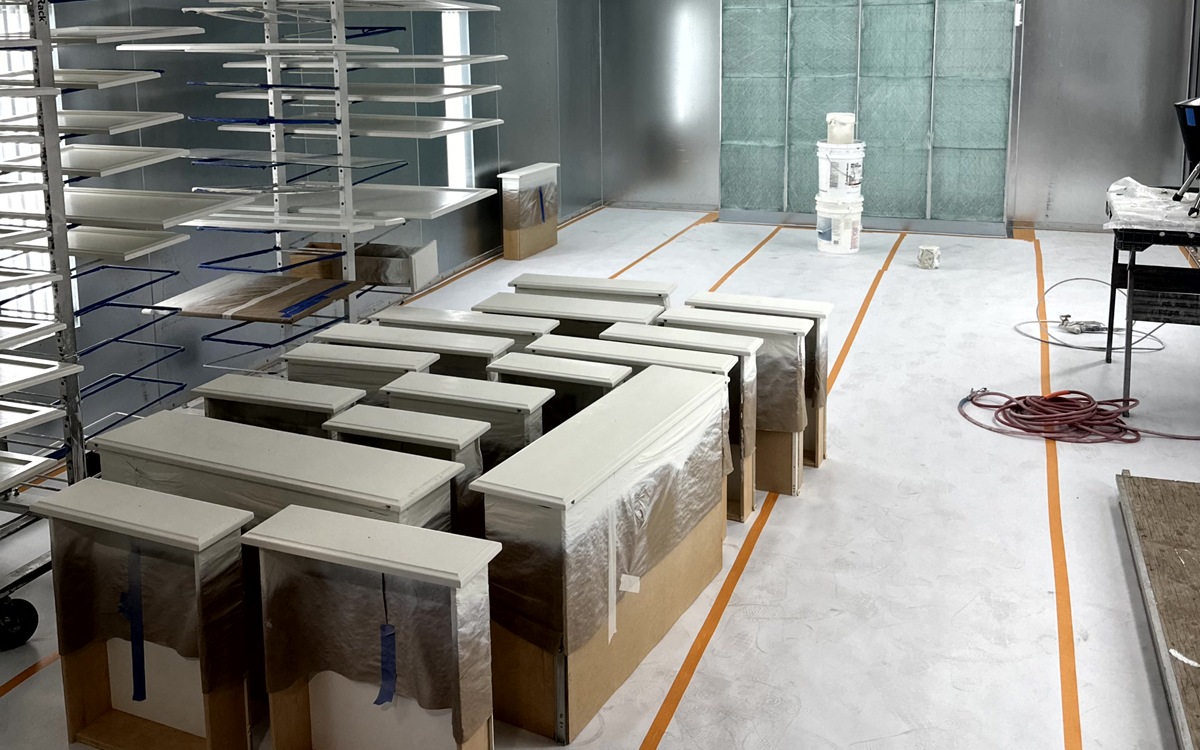
Your cabinet painters arrive and protect your floors, countertops, and appliances with plastic sheeting and drop cloths. They remove all doors, drawers, and hardware. Each piece is labeled and transported to the painting area—either a dedicated workspace in your garage or an off-site spray booth.
Day 2-3: Cleaning, Sanding, and Priming
This is where the real work happens. Every surface gets degreased, scuff-sanded, and wiped clean. Primer goes on next. Quality painters use a bonding primer designed specifically for cabinetry. This creates the foundation for paint adhesion and blocks any stains from bleeding through.
Day 4-5: Painting
Multiple thin coats of paint are applied, with proper drying time between each coat. Most professionals apply at least two coats of finish paint. Some projects require three coats, especially when making dramatic color changes like going from dark wood to bright white.
Day 6-7: Reassembly and Touch-Ups
Once the paint has cured sufficiently, doors and drawers are reinstalled. Hardware goes back on. Your painters will inspect every surface and handle any touch-ups needed. They’ll walk you through care instructions and answer your questions.
What Happens to Your Kitchen During the Project
Let’s be honest: your kitchen won’t be fully functional during this process. Planning ahead makes the disruption manageable.
If your painters work on-site, expect plastic sheeting, fans for ventilation, and the smell of paint. You’ll likely lose access to your cabinets, which means planning meals that don’t require much cooking or storage. Many homeowners set up a temporary kitchen station in another room with a microwave, coffee maker, and paper products.
If your painters remove doors and drawers to an off-site location, you’ll have access to cabinet boxes but not the doors themselves. This is often less disruptive since there’s minimal odor and mess in your home.
Either way, discuss the timeline with your painting crew before they start. Knowing exactly which days will be most disruptive helps you plan grocery runs, meals out, or even a short trip away from home.
Spray vs. Brush: How Professionals Apply Paint
The application method affects both the timeline and the final look of your cabinets.
Spray Application
Spraying produces the smoothest finish—closest to a factory look. It’s faster for covering large areas and eliminates brush strokes entirely. However, spraying requires significant prep work to mask off surrounding areas and requires either an off-site spray booth or extremely thorough protection of your kitchen.
Brush and Roller Application
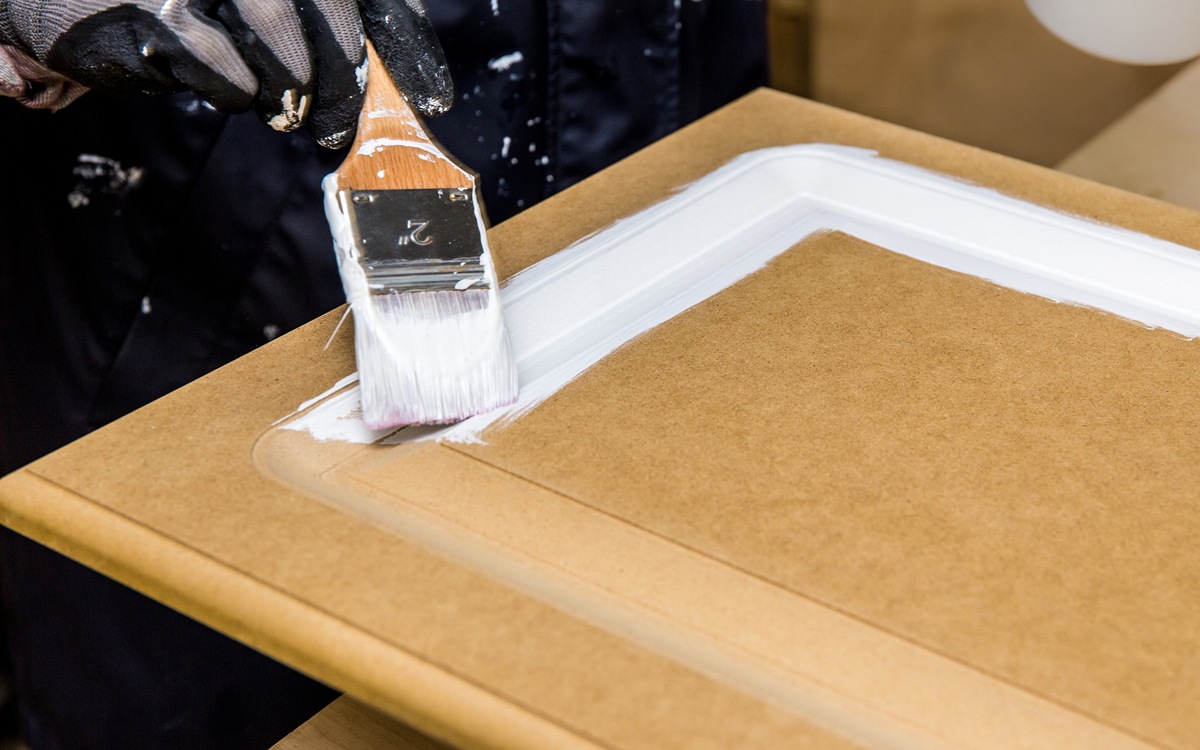
Brush and roller work well for on-site painting when spraying isn’t practical. Skilled painters can achieve beautiful results with this method, though it takes more time and may show slight texture. This approach works particularly well for cabinet boxes that remain in place.
Many professional cabinet painting crews use a combination: spraying doors and drawer fronts in a controlled environment while brushing and rolling the cabinet frames on-site.
The Paint and Primer Products That Matter
Not all paint is created equal—especially for cabinets. Your kitchen cabinets endure more abuse than almost any other painted surface in your home. Grease splatters, steam, constant touching, and frequent cleaning demand a coating that can handle the stress.
Professional cabinet painters typically use one of these options:
Alkyd or Oil-Modified Paints
These products level beautifully and create a hard, durable finish. They’re self-leveling, which means brush strokes disappear as the paint dries. The downside: longer dry times and stronger odor during application.
Acrylic-Alkyd Hybrids
These waterborne paints offer the durability of oil-based products with easier cleanup and lower odor. Benjamin Moore Advance and Sherwin-Williams Emerald Urethane Trim Enamel fall into this category. They’ve become industry favorites for cabinet work.
Lacquer and Conversion Varnish
For the most durable factory-style finish, some professionals spray lacquer or conversion varnish. These products cure extremely hard and resist scratches and chemicals. They require professional spray equipment and proper ventilation.
Ask your painting contractor what products they use and why. A quality pro will explain their choice and stand behind the durability of their finish.
How to Prepare Your Home Before Painters Arrive
A little effort on your part helps the project run smoothly.
Clear Out Your Cabinets
Remove everything from inside your cabinets and drawers. This protects your belongings and gives painters full access to work.
Take Down Decorations
Remove anything hanging on walls near the cabinets. Artwork, clocks, and shelving should come down to prevent damage from dust or accidental bumps.
Create a Workspace
If painters will work in your garage or basement, clear a space for them. Good lighting and ventilation make a big difference in the quality of work.
Plan for Pets and Kids
Fresh paint and curious pets don’t mix. Keep animals and small children away from work areas during the project.
Communicate Access Needs
Let your painters know if you have scheduled deliveries, work-from-home calls, or other needs during the project. Good communication prevents frustration on both sides.
What Quality Cabinet Painting Should Cost
Price varies significantly based on your location, kitchen size, and the condition of your existing cabinets. However, understanding the price range helps you spot bids that are suspiciously low—a red flag for corners being cut.
For a standard kitchen with 20-30 cabinet doors and drawer fronts, professional cabinet painting typically ranges from $3,000 to $7,000. Larger kitchens, specialty finishes, or extensive repair work push prices higher.
Compare this to cabinet refacing ($5,000-$15,000) or full cabinet replacement ($15,000-$50,000+). Quality painting delivers dramatic transformation at a fraction of those costs.
Be wary of quotes that come in dramatically lower than competitors. Cheap bids often mean skipped prep work, inferior products, or inexperienced painters. The money you save upfront gets spent later when the finish fails.
Questions to Ask Before Hiring a Cabinet Painter
Protect yourself by asking the right questions during the estimate process:
- How many coats of primer and paint do you apply?
- What products do you use, and why?
- Do you spray, brush, or both?
- Will work happen on-site or off-site?
- How do you protect my home during the project?
- What’s included in your warranty?
- Can I see photos of recent cabinet projects?
- How long have you been painting cabinets specifically?
Listen carefully to the answers. A true professional explains their process with confidence and welcomes your questions.
Caring for Your Newly Painted Cabinets
Your freshly painted cabinets need time to fully cure—even after they’re dry to the touch. Most cabinet paints take 2-4 weeks to reach full hardness.
During this curing period:
- Avoid scrubbing or using harsh cleaners
- Don’t stick adhesive shelf liners directly on painted surfaces
- Close doors and drawers gently
- Wipe spills promptly with a soft, damp cloth
After full cure, your painted cabinets are easy to maintain. Regular dusting and occasional wiping with mild soap and water keeps them looking fresh. Avoid abrasive cleaners or scrub pads that can dull the finish.
Ready to Transform Your Kitchen?
The professional cabinet painting process isn’t complicated, but it does require skill, patience, and quality materials. When done right, painted cabinets give you a kitchen that looks brand new without the chaos and cost of a full renovation.
If you’re tired of looking at worn, outdated cabinets, a professional painting crew can change everything. The results last for years, and the investment pays off every time you walk into your refreshed kitchen.
Contact Rojas Painting today at 707-353-7471 to schedule your free cabinet painting estimate. We’ll walk through your project, answer your questions, and show you exactly what’s possible for your kitchen.

