
Exterior house painting is the cheapest insurance policy your home has. A solid coat shields wood, stucco, fiber cement, and trim from rain, sun, and pests for years at a stretch. Knowing the signs your home needs exterior repainting matters. It can mean the difference between a routine project and a much larger repair bill.
This article walks through seven observable indicators that your exterior paint has reached the end of its service life. Each sign points to a specific problem. You can address it before damage spreads and curb appeal takes a hit.
Key Takeaways
How to Read the Signs Your Home Needs Exterior Repainting
Before scheduling exterior house painting, walk the perimeter of your house on a bright morning. Look at south- and west-facing walls first because those get the most direct sun. Bring a notebook, a flashlight, and a step ladder. The early signs of paint failure are easy to spot. The seven warning signals below match what a professional checks during a paid exterior house painting inspection.
1. Fading or Chalky Color
The first hit to your home’s curb appeal is usually color shift. UV rays break down pigments and binders, so sun-exposed walls fade ahead of shaded ones. Run your hand across the siding. If your palm picks up a powdery residue, that is chalking, the paint binder breaking down at the surface.
Chalking is an early form of paint failure, not just a cosmetic issue. A chalked surface cannot hold new exterior paint without thorough washing and priming. Address chalking before it spreads across the entire exterior.
2. Peeling, Flaking, or Bubbling Paint
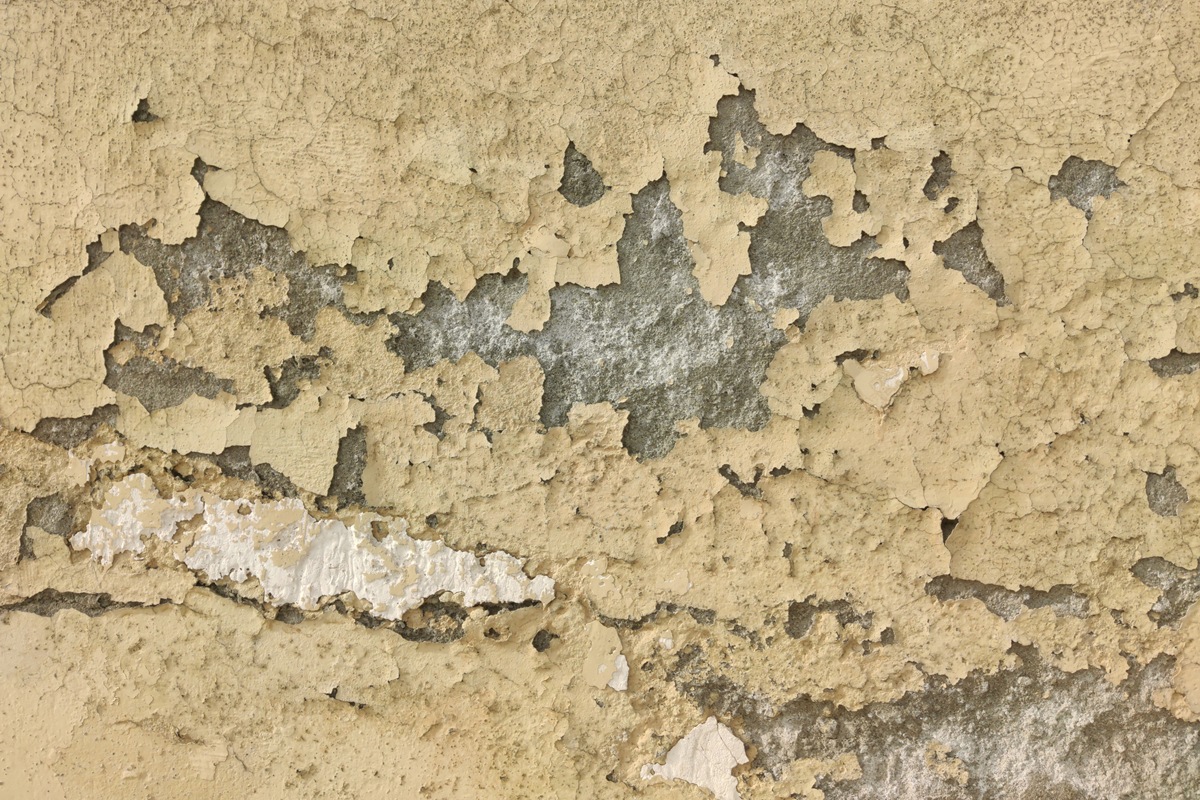
Peeling is the most obvious of the signs your home needs exterior repainting. Sherwin-Williams explains that peeling happens when moisture gets behind a dry paint film. The film swells, loosens, and cracks away from the substrate. Once the bare surface is exposed, weather damage starts within days.
Common moisture sources include worn caulk, clogged gutters, leaking flashing, and siding installed too close to grade. If peeling shows up on more than one wall, the whole exterior paint job is past its useful life.
3. Cracking or Alligatoring
Hairline cracks in the paint film are easy to dismiss. They should not be. Cracks let water travel under the coating. Once water reaches the wood or sheathing, damage compounds with every freeze-thaw cycle.
When cracks form a pattern resembling reptile skin, painters call it alligatoring. Cracking is the most visible form of paint failure. It usually appears on older paint jobs with multiple coats stacked over the years. It signals that the entire paint system has lost flexibility and a full repaint is due.
4. Failing Caulk Around Trim and Windows
Caulk seals the gaps around windows, doors, corners, and trim where the painted surface meets another material. Once caulk cracks or pulls away, water has a direct path into the wall cavity. A flashlight check around every window frame at sunset is a useful 10-minute audit.
Caulk failure is one of the most common signs that the supporting exterior paint system has aged out. The siding might look fine in the field. Failing caulk lines still mean the exterior paint job is due.
5. Mildew, Mold, or Persistent Staining
Dark streaks under eaves, green patches on shaded walls, and rust-colored stains around nail heads all point to specific problems. Persistent mildew is a curb appeal killer because paint can no longer shed water properly. Staining around fasteners points to corroding nails or screws that need replacement before any new paint goes on.
Pressure washing sometimes clears surface mildew. If the stains return within weeks, the paint has lost its mildewcide and protective qualities. That is the moment to plan a fresh exterior paint job.
6. Bare Wood or Exposed Substrate
If you can see raw wood, gray fiber cement, or naked stucco anywhere on the exterior, the protection is already gone. Wood absorbs water within hours of exposure. Once swelling and rot begin, paint alone will not fix the problem. A carpenter has to replace the affected boards first.
This is the most expensive sign to ignore. Bare wood is paint failure at its final stage. Catching it early is the difference between a routine paint job and a structural repair.
7. The Calendar Says It Is Time
Most paint manufacturers and trade publications place exterior paint lifespan at five to ten years for typical residential surfaces. Vinyl siding can stretch closer to ten years; stucco and wood often need attention every five to seven. If your last paint job is approaching that window, plan a professional inspection even if the siding still looks acceptable.
Curb appeal also depreciates on a schedule. The National Association of Realtors reports that 92% of agents recommend improving curb appeal before listing a home. Repainting on time is cheaper than repainting under deadline pressure.
Why Catching These Signs Early Saves Money
Acting on the signs your home needs exterior repainting before paint failure spreads keeps the exterior house painting project simple and affordable. Once water enters the wall, the work list grows. Carpentry, primer, mold remediation, and full repaints of multiple sides all get added. Per HomeAdvisor, the national average exterior paint job runs $3,177, with most homeowners spending between $1,819 and $4,551. Rotted siding replacement on a single wall can match or exceed that figure on its own.
A professional repaint also includes work most homeowners do not see. That covers pressure washing, scraping, sanding feathered edges, and priming bare wood. It also covers replacing caulk and applying two coats of quality exterior paint at the right film thickness. Sherwin-Williams research names surface preparation as the single biggest factor in whether a paint job holds up. Those steps are why a well-prepped paint job lasts a full decade and a rushed one does not.
What a Professional Exterior House Painting Inspection Includes
Catching the signs your home needs exterior repainting is the easy part. Translating those signs into a clear scope of work is the hard part. A fair price and a long-lasting paint job take real skill. A licensed exterior painter inspects every elevation and photographs problem areas. They walk through the repair list with you. All materials and warranty terms get documented in writing before any work begins.
A complete exterior house painting estimate should specify paint brand and product line. It should also list number of coats, surface preparation steps, and the scope of caulk and carpentry repairs. Color choices, project timeline, and warranty terms belong on the same document. Without that level of detail, comparing two quotes is impossible.
Schedule Your Exterior Paint Inspection
If you noticed any of the signs your home needs exterior repainting while reading this article, the next step is simple. Schedule a no-cost exterior paint assessment with Rojas Painting. A qualified estimator will inspect your siding, trim, and caulk lines. They will identify any underlying repairs. You will get a written quote with a clear scope of work, paint product details, and warranty terms.
Call Rojas Painting at 707-353-7471 to put a fresh exterior house painting job on the calendar. The signs your home needs exterior repainting only get more expensive the longer they wait. A 30-minute inspection now can save thousands in deferred repairs later.

