
If you’re planning a fence painting project, one of the first decisions you’ll face is the type of wood to use. The wood you choose can affect how long your paint lasts, how much maintenance your fence needs, and how good it looks over time.
Many homeowners ask the same question: What is the best wood fence for painting? Two of the most common options are cedar and pine. Both are widely used for residential fences, but they behave differently when paint is applied.
In this guide, we’ll answer the big question: Does cedar or pine hold paint better? We’ll also explain the pros, cons, and what homeowners should consider before starting a new fence installation.
Key Takeaways:
- Pine fences usually hold paint better because they absorb paint evenly.
- Cedar contains natural oils that can make paint adhesion more difficult.
- Cedar is naturally rot-resistant, while pine often requires treatment.
- Proper preparation is critical for any fence painting project.
- Both woods can be painted successfully with the right primer and paint.
Why Paint Adhesion Matters for a Fence
When installing a wood fence, many homeowners focus on appearance. But paint does more than make a fence look nice.
Paint protects wood from:
- Sun damage
- Moisture
- Mold and mildew
- Rot and decay
If paint does not stick well, it can peel, crack, or fade quickly. That means you may have to repaint your fence sooner than expected.
Choosing the best wood fence for painting can save you time and money over the life of your fence.
Understanding Cedar Fences
Cedar is a popular wood choice for fencing because of its natural beauty and durability.
Advantages of Cedar
Cedar fences have several benefits:
- Natural resistance to rot and insects
- Attractive grain and color
- Less warping and shrinking
- Long lifespan
Because cedar naturally resists moisture and pests, it is often used in outdoor structures.
How Cedar Handles Paint
Here’s where things get tricky.
Cedar contains natural oils and tannins. These compounds help protect the wood, but they can also interfere with paint adhesion.
Common issues include:
- Paint not bonding properly
- Stains bleeding through paint
- Peeling or blistering paint over time
To paint cedar successfully, it usually requires:
- High-quality primer
- Proper surface preparation
- Paint designed for exterior wood
Without these steps, paint may fail faster than expected.
Many Professionals Recommend Stain Instead
Because of cedar’s natural oils, many contractors recommend staining cedar instead of painting it. Stain penetrates the wood rather than sitting on the surface. This often works better with cedar’s natural properties.
However, if your goal is a solid painted fence, cedar can still work with the right preparation.
Understanding Pine Fences
Pine is another extremely common fencing material.
In fact, many residential fences are made from pressure-treated pine.
Advantages of Pine
Pine fences offer several benefits:
- Lower cost than cedar
- Widely available
- Accepts paint very well
- Smooth, uniform surface
Because pine is softer and more porous than cedar, it absorbs paint more evenly.
This is one reason many homeowners choose pine when planning a fence painting project.
Pressure-Treated Pine
Most pine fencing is pressure-treated. This means it has been infused with chemicals that protect against:
- Rot
- Insects
- Moisture damage
However, pressure-treated wood must dry out before painting. Fresh boards often contain moisture from the treatment process.
Professionals usually recommend waiting several weeks to a few months before painting new pine fencing.
Cedar vs Pine: Which Holds Paint Better?
When comparing cedar and pine directly, pine usually wins for paint performance.
Here’s why.
Paint Adhesion
Pine:
- Porous surface
- Absorbs primer and paint evenly
- Creates a strong bond with paint
Cedar:
- Contains oils and tannins
- May cause adhesion issues
- Often requires special primers
Because of this, pine is often considered the best wood fence for painting.
Paint Longevity
Paint applied to pine typically:
- Sticks better
- Peels less frequently
- Requires fewer touch-ups
Cedar paint jobs can still last, but they often depend more heavily on preparation and primer quality.
Maintenance Differences
When choosing between cedar and pine, maintenance is another important factor.
Cedar Maintenance
Cedar naturally resists rot and insects. That means even if paint fades or peels, the wood itself may still hold up well.
However, cedar fences may require:
- Regular cleaning
- Occasional sealing or repainting
- Special primers for repainting
Pine Maintenance
Pine fences depend more on coatings for protection.
Without paint or sealant, pine can be vulnerable to:
- Moisture damage
- Rot
- Insect activity
But when properly painted, pine fences can last many years with minimal maintenance.
Cost Comparison
Cost can also influence your choice of fencing material.
Cedar Fence Cost
Cedar is usually more expensive than pine because:
- It grows more slowly
- It is naturally rot-resistant
- It is considered a premium wood
Many homeowners choose cedar for its appearance and durability.
Pine Fence Cost
Pine is typically more budget-friendly.
This makes it appealing for:
- Large fence installations
- Budget-conscious homeowners
- Painted fence designs
If your main goal is a painted fence, pine can provide excellent value.
Preparation Tips for a Successful Fence Painting Project
No matter which wood you choose, preparation makes a huge difference in paint performance.
Here are key steps professionals recommend.
1. Clean the Fence
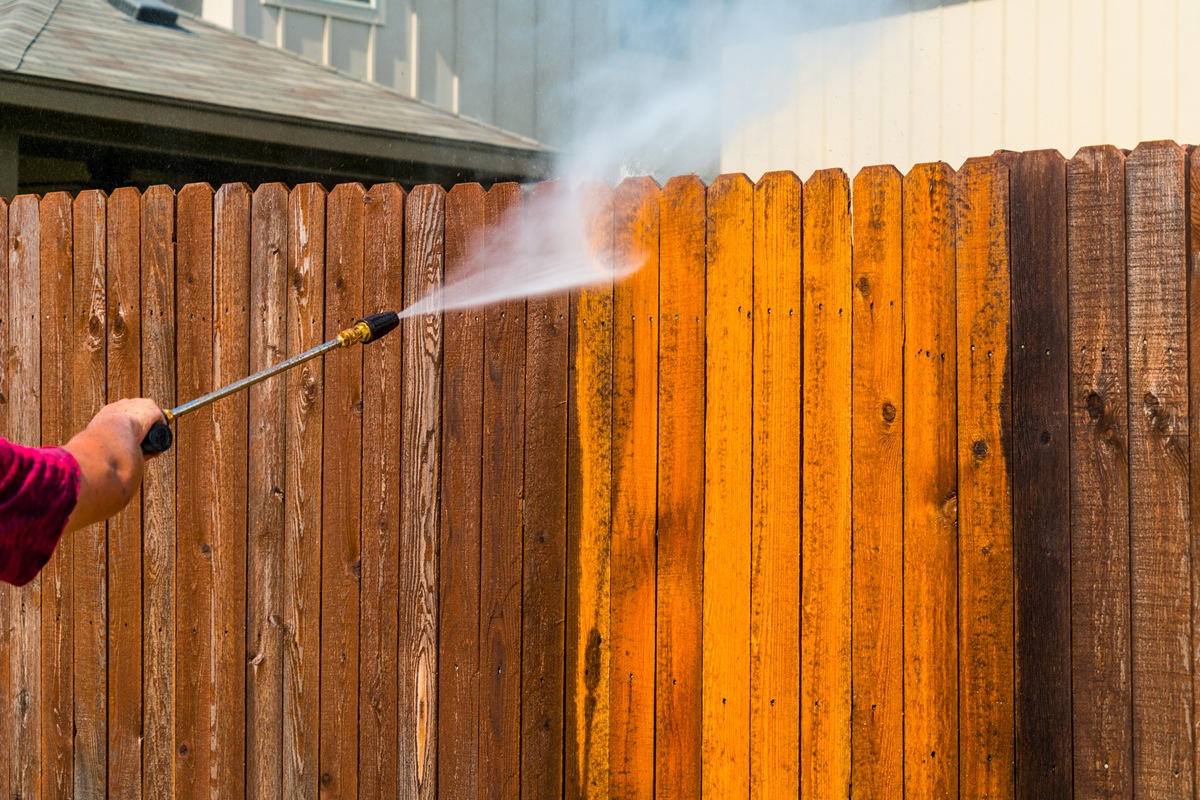
Remove dirt, dust, and mildew before painting.
This may involve:
- Power washing
- Scrubbing with wood cleaner
- Allowing the fence to fully dry
2. Use the Right Primer
Primer helps paint bond to wood.
For cedar fences, a stain-blocking primer is especially important to prevent tannin bleed.
3. Choose Exterior Paint
Always use paint designed for outdoor wood surfaces.
Look for products that offer:
- UV protection
- Moisture resistance
- Flexibility to handle expansion and contraction
4. Apply Multiple Coats
Two coats of paint typically provide better coverage and durability.
This is especially helpful for fences exposed to strong sun or heavy rain.
When Cedar Might Still Be the Better Choice
Even though pine often holds paint better, cedar still has advantages in certain situations.
Cedar may be a good option if:
- You prefer a natural wood appearance
- You plan to stain instead of paint
- You want higher natural rot resistance
- You value long-term durability
Many homeowners still choose cedar for its classic look and natural strength.
So, What Is the Best Wood Fence for Painting?
If your main goal is a long-lasting painted fence, pine is usually the better option.
Its porous structure allows paint to bond well, creating a durable and smooth finish.
However, cedar can still work if you:
- Use the correct primer
- Prepare the surface properly
- Apply high-quality exterior paint
Ultimately, the best choice depends on your budget, style preferences, and maintenance expectations.
Ready to Start Your Fence Painting Project?
Choosing the right wood is just the first step. Proper preparation, professional tools, and quality materials all play a role in creating a fence that looks great for years.
If you’re planning a fence painting project and want professional results, working with experienced painters can make all the difference.
At Rojas Painting, we help homeowners protect and beautify their outdoor spaces with expert fence painting services. Our team knows how to prepare wood surfaces properly and apply coatings that last.
Call 707-353-7471 today to schedule a consultation and get your fence looking its best.

