
You’ve been staring at those scuffed walls and faded paint for months. Maybe years. You know it’s time for a refresh, but every time you think about calling interior house painting contractors, one question stops you cold: “How much is this actually going to cost me?”
You’re not alone. Getting an accurate interior painting cost estimate feels like trying to hit a moving target. Prices vary wildly online, your neighbor paid something completely different than your coworker, and you’re left wondering if you’ll end up overpaying or cutting corners you’ll regret.
Here’s the good news: budgeting for an interior painting project doesn’t have to feel like guesswork. When you understand what actually drives costs, you can plan with confidence and avoid those nasty surprises that blow your budget wide open.
Key Takeaways:
- The average interior painting project costs between $2 to $6 per square foot, depending on your location, paint quality, and room complexity.
- Labor typically accounts for 70-85% of your total project cost.
- Getting at least three detailed written estimates helps you spot red flags and find fair pricing.
- Prep work quality directly impacts how long your paint job lasts—cutting corners here costs more long-term.
- Timing your project during slower seasons (late fall through early spring) can sometimes reduce costs by 10-15%.
What Actually Goes Into an Interior Painting Cost Estimate?
When a professional painter walks through your home, they’re calculating far more than just wall square footage. Understanding these factors helps you make sense of the numbers you’ll see on quotes:
Square Footage and Room Count
This one seems obvious, but there’s nuance here. A 200-square-foot room with 8-foot ceilings has roughly 640 square feet of wall space to paint. Add a second coat (which quality jobs require), and that painter is covering nearly 1,300 square feet of surface area in that single room.
Most professional painters charge between $2 and $6 per square foot of wall space. A typical 1,500-square-foot home with standard ceiling heights might run between $3,000 and $7,000 for a complete interior repaint.
The Condition of Your Walls
Here’s where estimates can swing dramatically. Walls in good condition need minimal prep—maybe some light sanding and spot priming. But walls with damage tell a different story.
Cracks, holes, water stains, peeling paint, or texture repairs all add time and materials. A room that needs extensive prep work might cost 30-50% more than an identical room in pristine condition.
Be honest with yourself about your walls’ condition before you start budgeting. Walk through each room with fresh eyes. That crack you’ve learned to ignore? A painter will need to address it.
Ceiling Height and Architectural Details
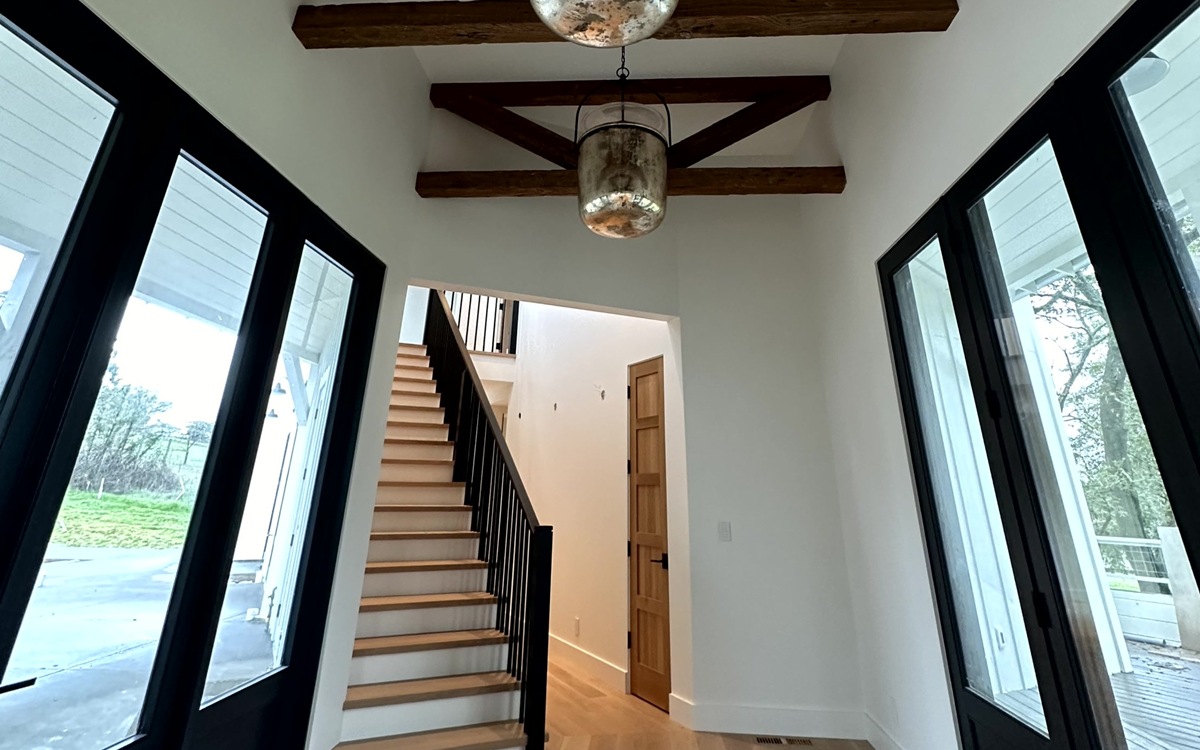
Standard 8-foot ceilings are straightforward. But vaulted ceilings, two-story foyers, or stairwells require ladders, scaffolding, and significantly more time.
Crown molding, chair rails, wainscoting, built-in shelving, and intricate trim work all add labor hours. These details make a home beautiful, but they also make painting more complex and time-consuming.
If your home has these features, expect your estimate to reflect that added complexity.
Paint Quality Makes a Bigger Difference Than You Think
You’ll hear painters talk about “contractor grade” versus “premium” paint. The price difference between a $25 gallon and a $65 gallon might seem steep when you’re multiplying by 10-15 gallons for a whole-house project.
But here’s what actually matters: higher-quality paints cover better (often requiring fewer coats), resist fading and staining longer, and hold up to cleaning without wearing down. A premium paint job might last 10-15 years, while a budget paint job might look tired in 3-5 years.
When you factor in the cost of repainting sooner, the “expensive” paint often costs less over time.
Number of Colors and Finish Changes
A single color throughout your home is the most economical choice. Each additional color means more setup time, brush cleaning, and careful cutting-in work at transition points.
Changing finishes (from flat on walls to semi-gloss on trim, for example) adds similar complexity. Most professional jobs involve at least two finishes, but going beyond that increases labor time.
Breaking Down Labor vs. Materials
Most homeowners are surprised to learn that labor represents the lion’s share of painting costs—typically 70-85% of the total estimate.
Here’s a rough breakdown for a typical interior painting project:
Labor: 70-85% of total cost Paint and primers: 10-20% of total cost
Supplies (tape, drop cloths, caulk, patching compound): 5-10% of total cost
This ratio explains why DIY painting saves so much money—and why it’s so much work. When you paint yourself, you’re essentially trading your time for that 70-85% labor savings.
It also explains why the cheapest estimate isn’t always the best value. A significantly lower bid often means the painter is cutting corners on prep work, using thinner coats, or rushing through the job. You’ll see the difference within a year or two.
How to Get Accurate Estimates (And Spot the Red Flags)
Getting a reliable interior painting cost estimate requires some legwork, but it protects you from overpaying or hiring the wrong crew.
Get At Least Three Written Estimates
This isn’t just about finding the lowest price. Three estimates give you a baseline for what’s reasonable in your market. If two painters quote similar numbers and one comes in 40% lower, that’s a red flag worth investigating.
Each estimate should break down:
- Total square footage being painted
- Number of coats included
- Paint brand and product line being used
- Prep work included (and what’s excluded)
- Timeline for completion
- Payment schedule
Ask the Right Questions
Before you sign anything, get clear answers on these points:
- Who will actually be doing the work? The person giving the estimate, or a different crew?
- Is the company licensed and insured? Ask for proof.
- What happens if you’re not satisfied with the finished work?
- How do they protect your furniture, floors, and fixtures?
- What’s their policy on touch-ups after the job is complete?
Watch for These Warning Signs
Some red flags should make you pause:
- Estimates given over the phone without seeing your home
- Cash-only payment requirements
- Pressure to sign immediately or lose a “special price”
- No written contract or vague contracts without specifics
- Unable or unwilling to provide references
- Significantly lower prices than other reputable contractors
Creating Your Interior Painting Budget: A Practical Framework
Now that you understand the factors, here’s how to build a realistic budget.
Step 1: Measure Your Space
Walk through your home and note the rooms you want painted. For each room, estimate the square footage of wall space. A quick formula: (room perimeter × ceiling height) – (window and door square footage) = approximate paintable wall space.
Step 2: Research Local Rates
Painting costs vary significantly by region. Urban areas with higher costs of living typically see higher rates. Call a few local painters or check recent reviews that mention pricing to get a sense of your area’s going rate.
Step 3: Assess Your Walls Honestly
Rate each room’s condition. Newer homes or recently painted rooms in good shape will fall at the lower end of cost ranges. Older homes, previously neglected walls, or rooms with damage will fall higher.
Step 4: Build in a Contingency
Even with careful planning, surprises happen. That wall looked fine until the painter started scraping and found hidden damage. Budget an additional 10-15% beyond your estimate for unexpected issues.
Step 5: Decide What Matters Most
With a realistic number in mind, decide what trade-offs you’re willing to make:
- Fewer rooms now, more rooms later?
- Standard paint now, premium paint in high-traffic areas?
- Professional painters for main living spaces, DIY for closets and utility rooms?
When to DIY vs. When to Hire Professionals
Not every painting project requires a professional crew. Here’s a practical breakdown:
Consider DIY if:
- You have the time and physical ability for ladder work
- The room is small with minimal prep needs
- Walls are in excellent condition
- You’re comfortable with basic painting techniques
- Your timeline is flexible
Hire professionals when:
- You have high ceilings, stairwells, or complex architecture
- Walls need significant repair or prep work
- You need the job done quickly
- Multiple rooms or your whole house needs painting
- Quality and longevity matter more than saving money upfront
Many homeowners find a middle ground: DIY the simple rooms and hire professionals for the challenging spaces.
Timing Your Project to Save Money
Painting contractors have busy seasons and slow seasons. In most regions, late spring through early fall is peak demand. Everyone wants their home freshened up for summer entertaining or before the holidays.
If your timeline is flexible, scheduling your project during slower months (typically January through March) can sometimes yield better pricing. Contractors may offer discounts to keep their crews working during these quieter periods.
You might also have more flexibility in scheduling and find contractors more available for your preferred dates.
The Real Cost of Cutting Corners
It’s tempting to accept the lowest bid or skip steps to save money. But cheap paint jobs rarely age well.
Poor prep work leads to peeling and bubbling within a year or two. Thin coats fail to hide old colors and wear quickly. Sloppy cutting-in at edges and trim looks amateurish up close.
The cost to repaint a room that was done poorly is essentially double what you originally paid. You’re better off paying fair market rates once than bargain rates twice.
Your Next Step
You now have the knowledge to budget for your interior painting project with confidence. You understand what drives costs, how to evaluate estimates, and where quality matters most.
The next step is simple: get those estimates. Walk through your home, note the rooms you want transformed, and reach out to reputable painters in your area. With the information in this post, you’ll be able to have informed conversations and recognize fair pricing when you see it.
Ready to get your project started? Contact Rojas Painting at 707-353-7471 for a detailed, no-pressure estimate. We’ll walk through your home together, answer your questions, and give you a clear breakdown of costs—so you can make the best decision for your home and your budget.

