
A paint color can look calm on a sample card and turn gray, yellow, or much darker once it reaches your living room walls. Living room paint colors in Sonoma homes change as daylight moves, lamps turn on, and nearby flooring or furniture reflects color back into the room.
The safest choice is not one color that works everywhere. It is a shade that has been tested in your room under the light you use each day. This guide explains how to narrow the options without relying on a small store sample.
Key Takeaways:
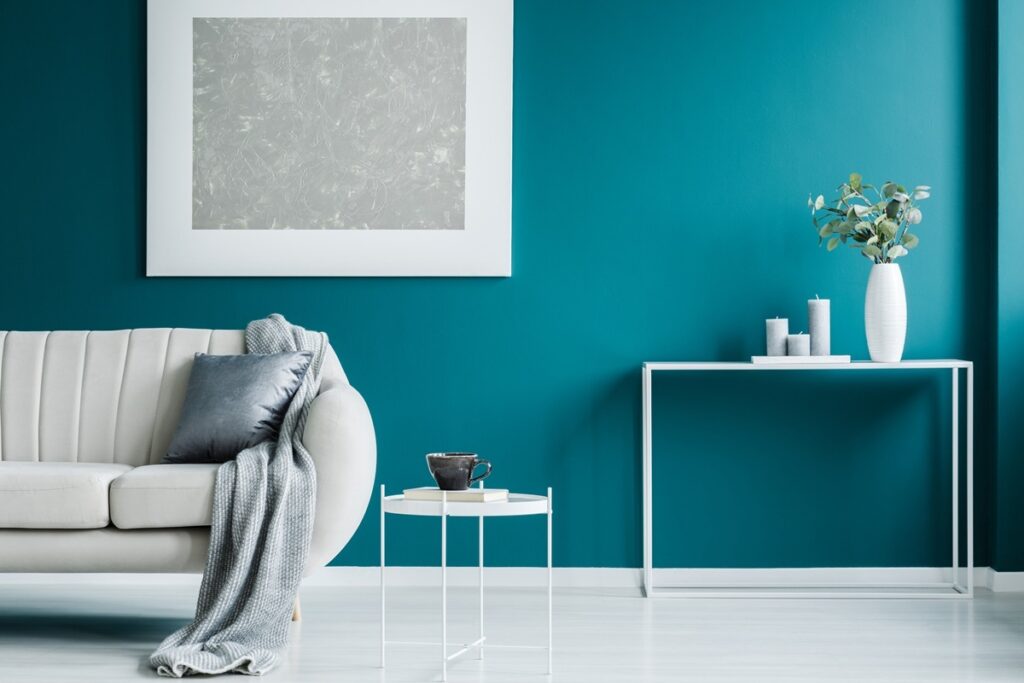
Why Living Room Paint Colors Change Throughout the Day
Wall color is seen through reflected light. When the strength or color of that light changes, the wall can look different even though the paint has not changed.
Natural daylight is not constant. North Carolina State University notes that natural light changes in both intensity and subtle color during the day. Its daylighting design guidance explains why rooms can feel different as outdoor light shifts.
Artificial lighting also matters. Warm bulbs can pull out cream, beige, red, and yellow undertones. Cooler bulbs may make gray, blue, and green undertones easier to notice.
Flooring, rugs, sofas, curtains, wood trim, and nearby walls can reflect color too. A neutral sample placed beside red oak flooring may look warmer than the same sample beside cool gray tile.
How Window Direction Affects Wall Color
North-facing rooms
North-facing rooms often receive cooler, indirect light. Pale gray, blue, and green undertones may become more noticeable. A slightly warmer white, beige, or greige can help balance that cool cast, but it still needs to be sampled.
South-facing rooms
South-facing rooms usually receive stronger, warmer daylight for longer periods. Warm whites and beige shades may look creamier, while very pale colors can appear lighter than expected.
East-facing rooms
East-facing rooms are often brighter and warmer in the morning, then cooler later in the day. Test the sample during the hours when the room is used most.
West-facing rooms
West-facing rooms may look subdued early and much warmer in late afternoon. Beige, peach, terracotta, and warm greige can become more intense near sunset.
These are starting points, not fixed rules. Trees, roof overhangs, window size, neighboring buildings, and interior lighting can change the result.
Living Room Color Families Worth Sampling
The strongest choice depends on the room, but these color families give many homeowners a useful place to begin:
Soft whites
Soft whites can keep a living room bright without creating the sharp contrast of a very clean white. Check for cream, gray, green, or pink undertones beside the trim and flooring.
Warm greige
Greige combines gray and beige. Warmer versions can balance cool daylight, while more neutral versions may work well in rooms with mixed warm and cool finishes.
Mushroom and putty
Mushroom shades are deeper than off-white and softer than many traditional browns. They can pair well with natural wood, cream upholstery, and black or bronze accents.
Muted green
Soft sage and gray-green shades can work with wood, stone, linen, and warm neutrals. Some greens turn yellow under warm bulbs, so evening testing matters.
Clay and muted earth tones
Clay, muted terracotta, and warm brown can add depth in rooms with enough light. These shades may feel heavier in a small or dim room, so test a large sample before committing.
Our article with living room paint makeover ideas shows other ways color can update the space without changing the full room design.
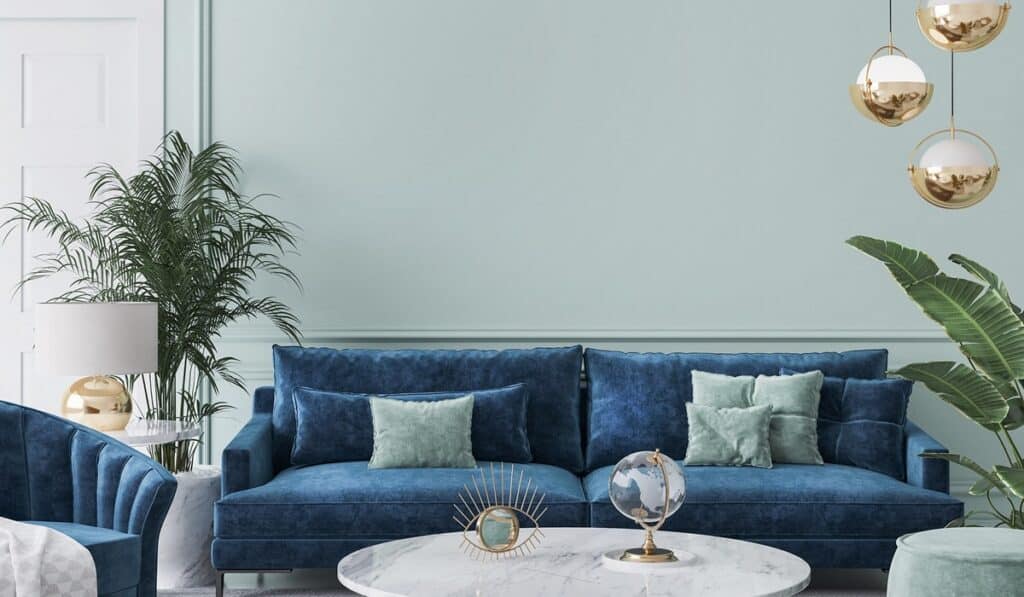
How to Test Living Room Paint Samples
Start with two or three colors instead of covering the room with many small choices. Too many options make it harder to notice which undertones fit the space.
Use large removable samples or paint sample boards. Leave a border around each color so the current wall color does not distort the comparison.
Move the samples near each wall, window, trim color, and major piece of furniture. Then check them during these periods:
Keep the samples up for more than one day when possible. Cloud cover and bright sun can make the same room look different.
Do not judge the color only beside another sample. Step back and view it with the flooring, sofa, curtains, trim, and artwork in sight.
Choose the Paint Finish With the Color
Finish changes how much light reflects from the wall. A higher sheen can make a color look brighter and may show more surface flaws under side lighting.
Matte and flat finishes reduce reflection but may be harder to clean, depending on the product. Eggshell offers a soft sheen and is common in living rooms. Satin reflects more light and may be useful in busy spaces that need easier cleaning.
There is no single finish that fits every living room. Children, pets, wall texture, natural light, and cleaning needs should guide the choice. Read our guide on how to choose a paint finish before selecting the product.
What Affects the Cost of Painting a Living Room?
The color itself is only one part of the project price. Wall height, room size, repairs, trim, ceilings, furniture movement, protection, product grade, and the number of color changes can affect the estimate.
A dark-to-light change may need primer or additional coats. Accent walls and several trim colors can add setup and cutting time. Damaged drywall, stains, peeling coating, or heavy texture may also change the preparation.
Instead of relying on a broad price range, compare the surfaces and work included. The guide to what affects interior painting costs explains the main pricing factors in more detail.
How a Color Consultation Can Help
A color consultation can narrow the choices by reviewing the room in person. The consultant can compare samples with the flooring, trim, furniture, window exposure, and bulbs already in the space.
Rojas Painting offers free color consultations as part of its residential painting process. The company also advertises a three- to five-year workmanship warranty. The exact coverage and term should appear in the proposal for the project.
The final choice still belongs to the homeowner. A consultation is most useful when it reduces the options to a few samples that can be tested in the room.
Frequently Asked Questions About Living Room Paint Colors
What colors make a living room feel brighter?
Lighter colors can reflect more light, but undertone and finish still matter. A pale color may look dull in cool light or washed out in strong sun, so test it in the room.
Should a north-facing living room use warm colors?
Warmer undertones can balance cool indirect light, but they are not required. Flooring, furniture, bulbs, and the amount of daylight should also guide the choice.
How large should a paint sample be?
Use a sample large enough to judge from across the room. Large removable sheets or painted boards are usually more useful than a small chip.
Is eggshell always the best living room finish?
No. Eggshell is common, but matte or satin may be a better fit based on wall condition, lighting, children, pets, and cleaning needs.
Should living room samples be painted directly on the wall?
They can be, but sample boards are easier to move and prevent several test patches from showing through the final color. Either method works when the sample is large and viewed in several lighting conditions.
Ready to Test Living Room Colors in Your Home?
Rojas Painting serves homeowners in Sonoma, Petaluma, Santa Rosa, San Rafael, Novato, and nearby North Bay communities. The company provides interior painting, color consultation, surface preparation, and a final walkthrough.
Schedule a free consultation to compare samples, discuss finishes, and review the full project scope. When you are ready, contact Rojas Painting at 707-353-7471.

