
Your kitchen cabinets look tired. The doors got a fresh coat of paint, but something still feels off. Professional cabinet painters know the secret: it’s the molding and trim that make or break the final look. If you’ve been putting off painting cabinet molding because it seems like a small detail, think again. Those decorative edges, crown pieces, and baseboards around your cabinets are what give a kitchen that polished, finished appearance.
The difference between a DIY paint job and a professional one often comes down to how well the trim work is handled. Skipping this step—or rushing through it—can leave your whole cabinet project looking incomplete.
Key Takeaways:
- Cabinet molding and trim require different prep work than flat cabinet doors
- The right brush and paint type makes a huge difference in the final look
- Proper drying time between coats prevents sticky, tacky finishes
- Small details like caulking gaps and sanding edges separate amateur work from professional results
- Hiring a pro can save time and prevent costly mistakes on detailed trim work
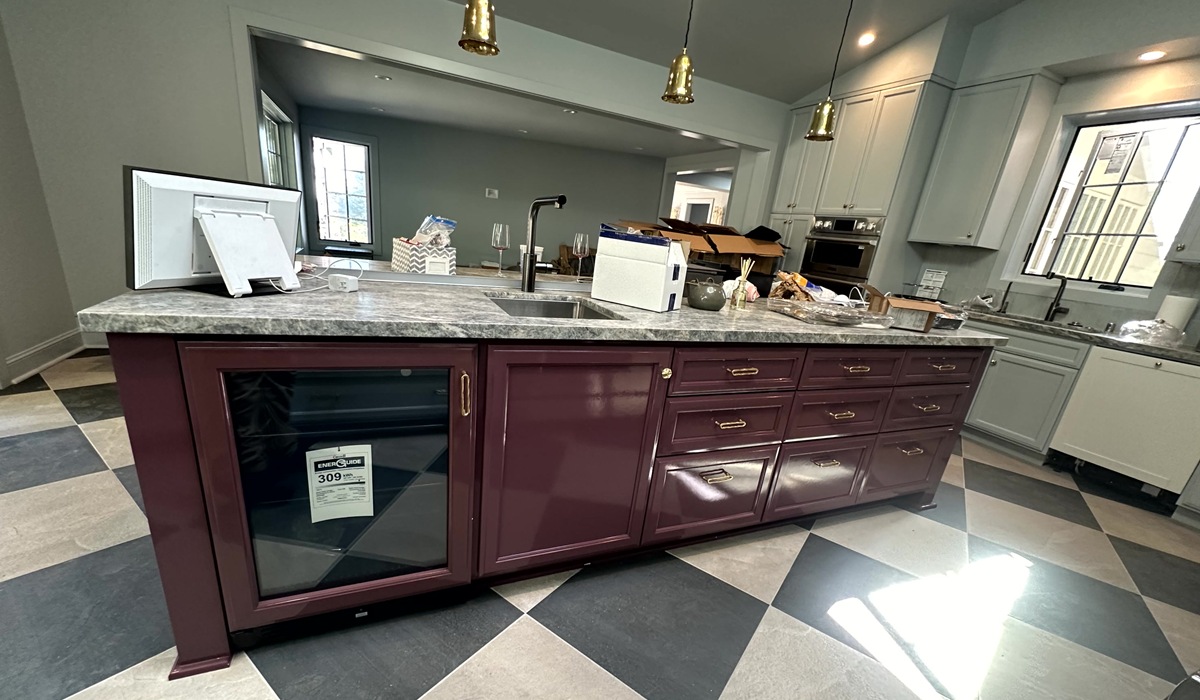
Why Cabinet Molding Deserves Special Attention
Most homeowners focus on the big, flat surfaces when they think about painting cabinets. That makes sense. The doors and drawer fronts take up the most visual space. But here’s what happens when you ignore the molding: your eye catches every imperfection.
Crown molding at the top of your cabinets, decorative trim around door frames, and baseboard pieces at the bottom all have curves, grooves, and edges. These details catch light differently than flat surfaces. They also collect dust, grease, and grime in ways that smooth cabinet doors don’t.
When paint builds up in the grooves or misses the edges, it stands out. Your brain registers that something isn’t right, even if you can’t put your finger on it at first.
The Right Way to Prep Cabinet Molding for Paint
Good prep work is where most paint jobs succeed or fail. For cabinet molding, this step takes more time than prepping flat surfaces. Here’s why: those grooves and curves hide old paint, dust, and kitchen grease.
Start by removing as much molding as you can. Crown pieces and decorative trim that’s nailed on can often be gently pried off. This lets you work on a flat surface instead of painting overhead or at awkward angles. Label each piece so you know where it goes back.
For trim that can’t be removed, clean it well. A mix of warm water and a degreaser works for most kitchen buildup. Use an old toothbrush to get into grooves and detailed areas. Let everything dry completely before moving on.
Next comes sanding. This is where a lot of DIY projects go wrong. You can’t just hit the high spots with sandpaper. Every surface that will be painted needs to be scuffed so the new paint has something to grip. For detailed molding, use a sanding sponge that can flex into curves and grooves. A fine grit (around 150-220) works well for most cabinet trim.
After sanding, wipe everything down with a tack cloth to remove dust. Any particles left behind will show through your paint.
Choosing Paint and Primer for Cabinet Trim
The paint you use on cabinet doors might not be the best choice for molding and trim. Here’s what to think about:
- Sheen matters. Semi-gloss or satin finishes work well for trim. They’re easier to clean than flat paint, which matters in a kitchen. They also highlight the details in decorative molding without being too shiny.
- Quality counts. Cheap paint shows its flaws on detailed surfaces. Premium cabinet paints level out better, meaning you won’t see brush strokes as much. They also cure harder, which means the paint won’t stay tacky or sticky weeks after you finish.
- Primer is not optional. Even if your new paint claims to be “paint and primer in one,” cabinet molding needs a real primer coat. This is especially true if you’re covering dark colors, painting over stained wood, or working with trim that has any kind of buildup. A quality bonding primer helps your topcoat stick and look smooth.
Some professionals prefer oil-based primers under water-based topcoats for the best adhesion. Others use specialty cabinet primers that are made for high-traffic areas like kitchens. Either way, don’t skip this step.
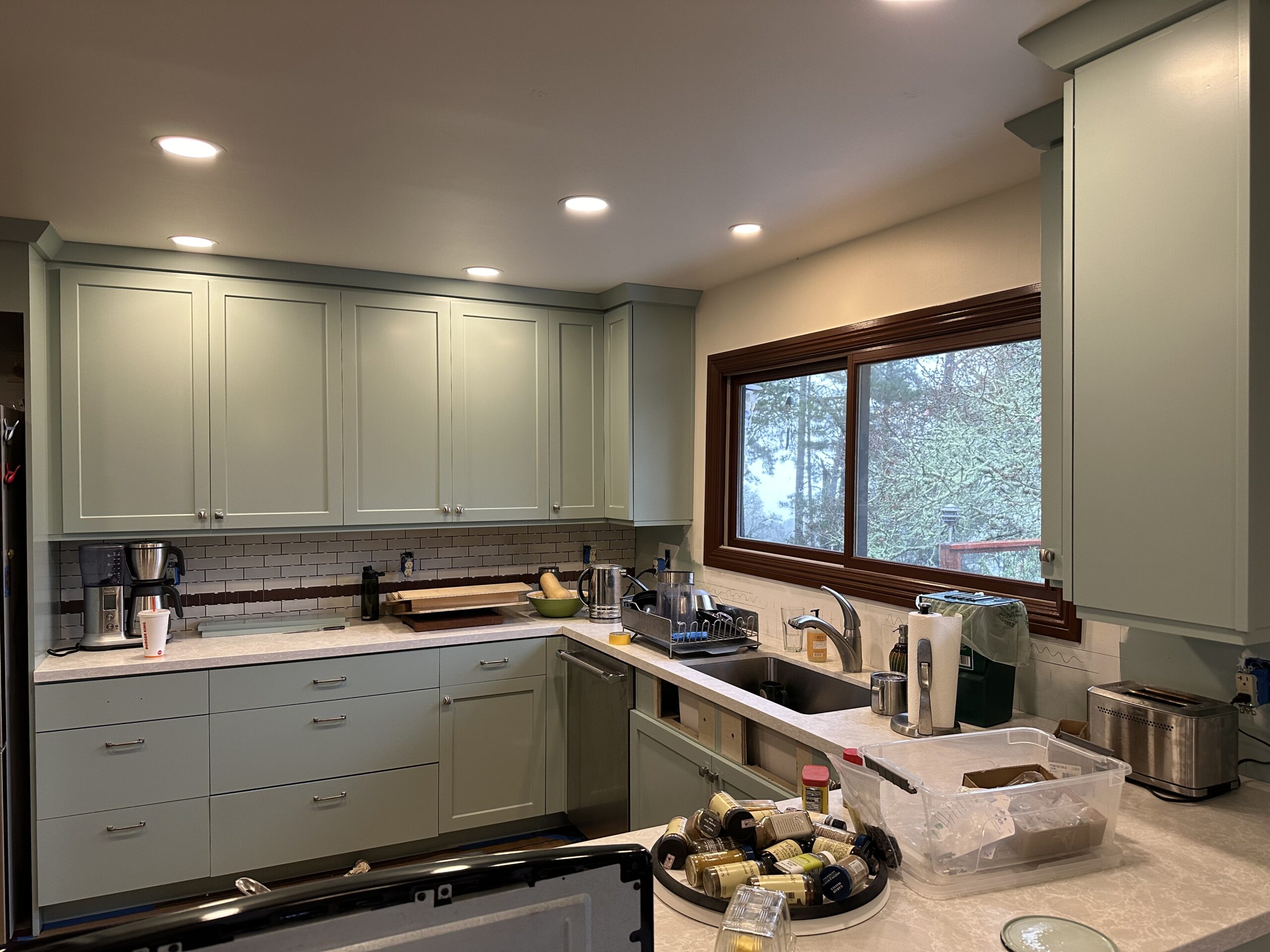
Painting Cabinet Molding: Technique Tips
Once your prep work is done and your primer has dried, it’s time to paint. The tools you use make a big difference.
Brush Selection
For detailed cabinet molding, a good angled brush is your best friend. Look for one with soft, synthetic bristles in a 2-inch or 2.5-inch size. The angle helps you get into corners and along edges without leaving globs of paint behind.
Cheap brushes shed bristles. Nothing ruins a fresh paint job faster than finding brush hairs stuck in your trim work. Spend a few extra dollars on quality brushes, and they’ll last through multiple projects if you clean them well.
Application Method
Work in thin coats. This is the number one rule for painting molding and trim. Thick coats take forever to dry, tend to drip, and often crack or peel later.
Start with the grooves and detailed areas first. Load your brush lightly, then work the paint into the low spots. After that, move to the flat sections and edges. Use long, smooth strokes in one direction.
Let the first coat dry completely before adding a second. Check the paint can for recoat times, but keep in mind that humid weather or cooler temperatures can extend drying time. Rushing this step leads to paint that peels or stays soft.
Most cabinet molding needs two topcoats for full coverage and durability. Some darker colors or dramatic color changes may need three.
Common Mistakes That Ruin Cabinet Trim Projects
Even with good intentions, it’s easy to make errors that show up in your final results. Here are the problems we see most often:
- Skipping the cleaning step. Kitchen cabinets collect grease from cooking. If you paint over that residue, the new paint won’t bond properly. It may peel within months, even with primer underneath.
- Ignoring gaps and cracks. Old molding often has gaps where pieces meet or where trim connects to the cabinet box. Caulking these spots before painting gives you clean lines and a finished look. Use a paintable caulk and smooth it with a damp finger for best results.
- Overloading the brush. Too much paint on your brush leads to drips and runs, especially on vertical trim pieces. You’ll spend more time fixing mistakes than you save by trying to apply fewer coats.
- Not protecting surrounding surfaces. Paint drips and splatters happen. Tape off adjacent walls, countertops, and floors before you start. Remove hardware from nearby drawers and doors. A little prep time saves a lot of cleanup later.
- Painting in bad conditions. High humidity slows drying and can cause paint to sag. Very low temperatures prevent proper curing. Aim for moderate temperatures and good ventilation when possible.
When Painting Cabinet Molding Makes Sense (And When It Doesn’t)
Painting is a great option when your cabinet molding is still in good shape but looks dated. Maybe the color doesn’t match your updated kitchen, or years of wear have left the finish dull and scratched. Fresh paint can give these pieces new life at a fraction of the cost of replacement.
However, painting isn’t always the right call. If your molding is damaged—warped, cracked, or rotted—paint won’t fix those problems. You’ll just be covering up issues that will show through later. In these cases, replacing the damaged pieces before painting makes more sense.
Also think about the style of your molding. Very ornate, detailed pieces with lots of grooves can be hard to paint well without special equipment. Spraying often works better than brushing for these situations. If you don’t have access to spray equipment or experience using it, this might be a job for the pros.
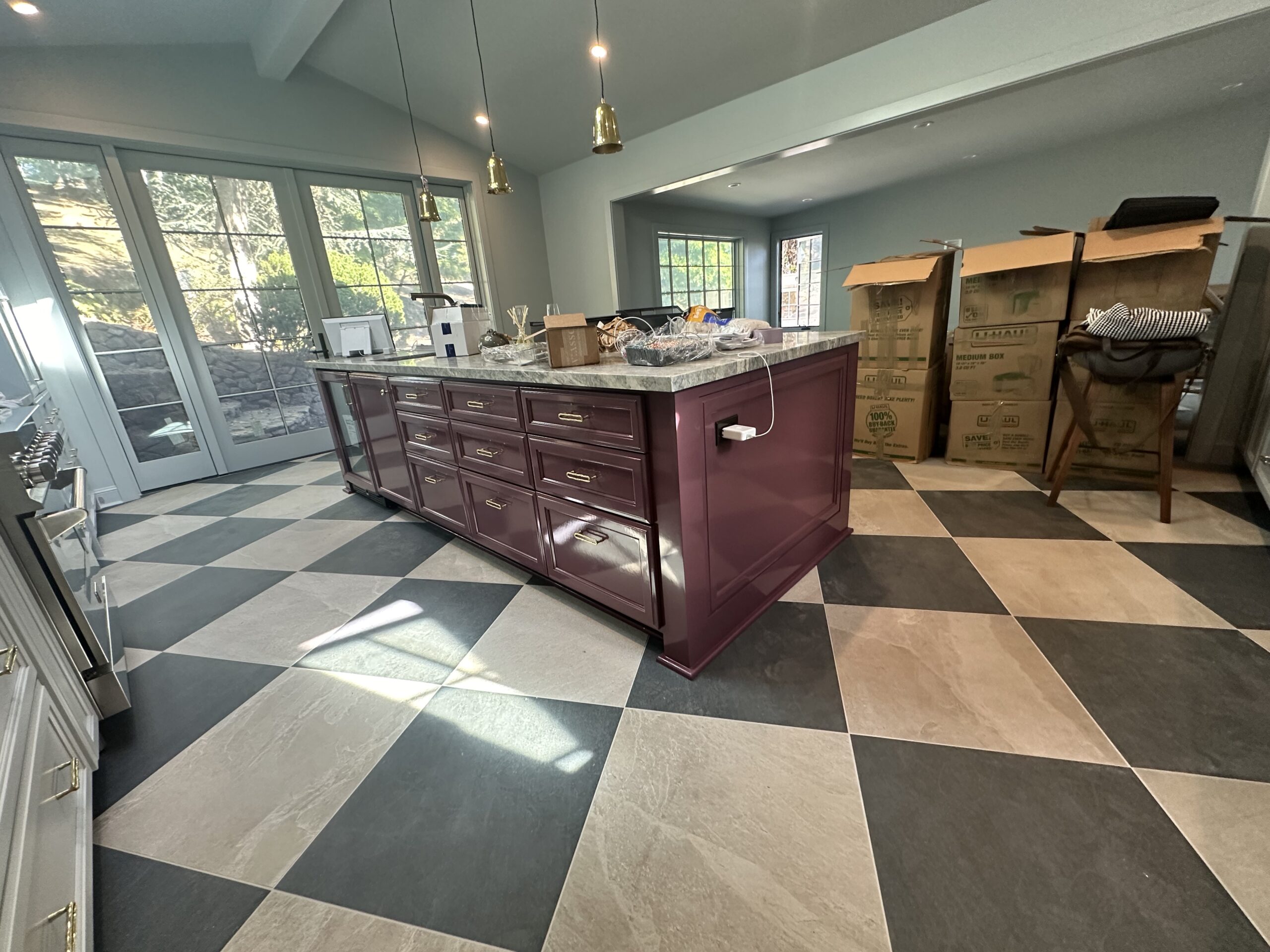
The Value of Professional Help
Painting cabinet molding is a project many homeowners can handle themselves. But there are good reasons to consider hiring help.
Time is the big one. Between prep work, priming, and multiple coats with dry time between each, a full cabinet trim project can take several weekends. A professional crew can often finish in a few days.
Finish quality is another factor. Experienced painters have the tools, techniques, and trained eyes to catch problems early and fix them. They know how to handle tricky spots like inside corners, cope joints, and crown molding transitions.
There’s also the stress factor. If you’ve never done detailed paint work before, the learning curve can be frustrating. Mistakes cost money to fix and time to redo. For some homeowners, paying for professional work means peace of mind and guaranteed results.
Give Your Cabinets the Finish They Deserve
Your cabinets are one of the first things people notice when they walk into your kitchen. The details matter. Well-painted molding and trim complete the look and show that care went into every part of the project.
Whether you tackle this yourself or bring in help, don’t cut corners on the trim work. It’s the finishing touch that makes everything come together.
Ready to see what a professional cabinet painting job can do for your kitchen? The team at Rojas Painting has the experience and attention to detail your project needs. Give us a call at 707-353-7471 to schedule a free estimate. We’ll walk through your space, answer your questions, and show you what’s possible.

