
You’re standing in the paint aisle, staring at dozens of cans, and you realize something frustrating: picking a color was the easy part. Now you have to figure out which sheen to use. If you’re planning an interior house painting project, this decision matters more than most people think. Knowing which paint finish to choose can mean the difference between walls that look amazing for years and walls you’ll want to repaint in six months.
Here’s the truth most painting contractors won’t tell you upfront: there’s no single “best” finish. Each one has a job it does well and situations where it falls flat. The right choice depends on the room, how much traffic it gets, and how much time you want to spend cleaning and touching up.
Let’s break down what you actually need to know.
Key Takeaways:
- Flat paint hides wall imperfections better than any other finish but shows scuffs and doesn’t clean well.
- Satin paint offers a slight sheen with good durability and works in most rooms throughout your home.
- Semi-gloss paint is the most durable and easiest to clean, making it ideal for kitchens, bathrooms, and trim
- The “sheen” or “finish” refers to how much light the paint reflects when dry.
- Higher sheen means more durability and easier cleaning, but it also shows every bump and flaw in your walls.
- Most homes use a combination of finishes in different rooms based on each space’s needs.
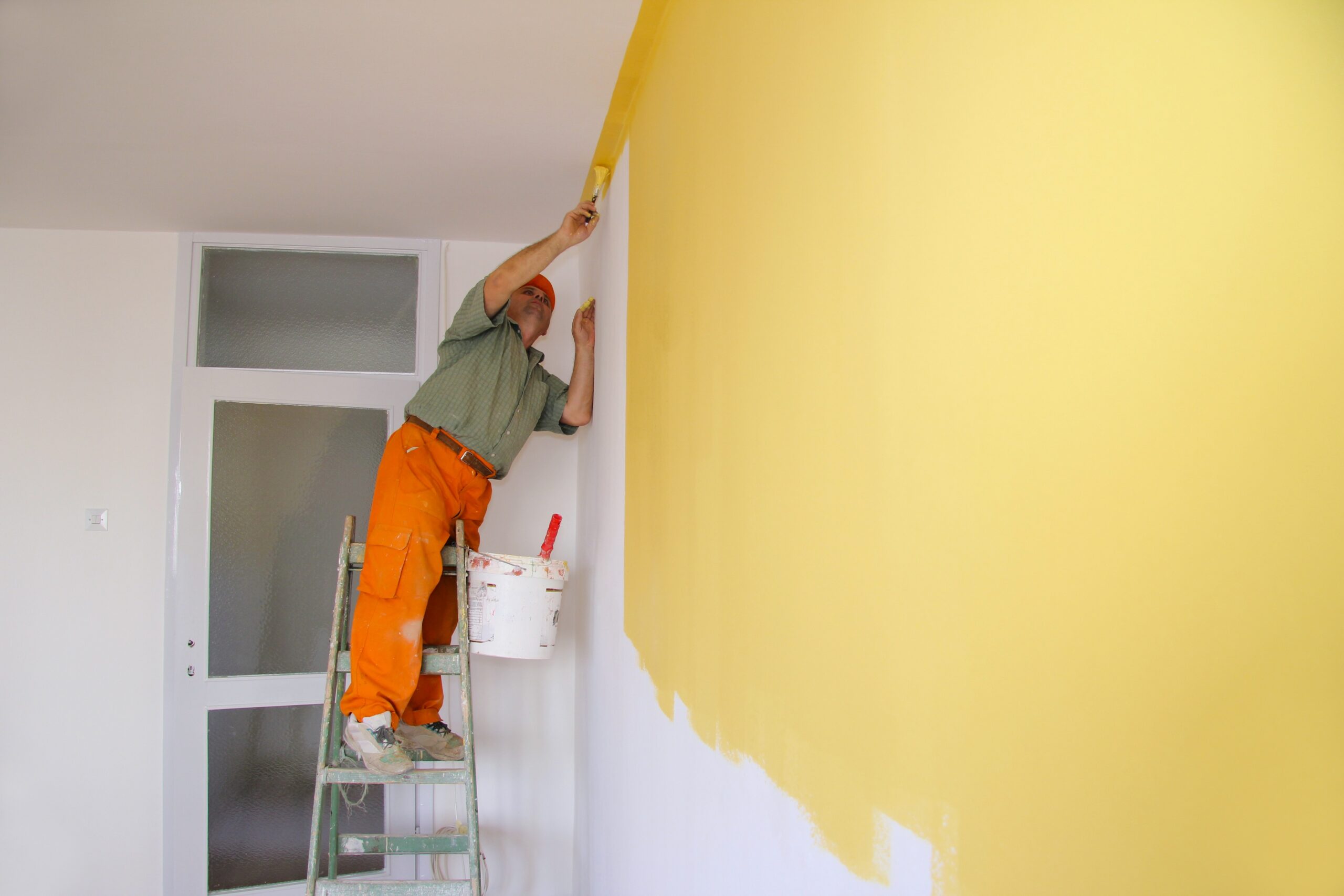
What Does “Paint Finish” Actually Mean?
When paint dries, it either absorbs light or reflects it. The amount of light reflection determines the sheen level. A flat finish absorbs almost all light, so the surface looks smooth and even. A semi-gloss finish reflects much more light, giving walls a subtle shine.
Paint manufacturers measure this reflection and categorize their products into finish levels. From least shiny to most shiny, the standard categories are: flat (or matte), eggshell, satin, semi-gloss, and high-gloss.
For most homeowners deciding which paint finish to choose, the debate usually comes down to three options: flat, satin, or semi-gloss. Eggshell falls between flat and satin, while high-gloss is typically reserved for specialty applications like front doors or furniture.
Flat Paint: The Good, The Bad, and Where to Use It
Flat paint has zero shine. It absorbs light completely, which gives walls a soft, velvety look. This light absorption is exactly why flat paint is a favorite for ceilings and formal living spaces.
What flat paint does well:
Flat paint hides imperfections like a champ. If your walls have minor dents, patches, or uneven textures, flat paint makes them nearly invisible. The light absorption prevents shadows from forming around imperfections, so surfaces look smoother than they actually are.
Flat finishes also create a sophisticated, classic look. Think of the walls in high-end restaurants or boutique hotels. That rich, deep color without any shine? That’s flat paint doing its job.
Touch-ups blend seamlessly with flat paint. If you nick a wall while moving furniture, you can dab on some matching paint and the repair disappears. Try that with a shinier finish, and you’ll see exactly where you touched it up.
Where flat paint struggles:
Flat paint marks and scuffs easily. Brush against it with your shoulder, and you might leave a mark. Let your kids run toys along the wall, and you’ll see the evidence for months.
Cleaning flat paint is difficult. Most flat finishes can’t handle scrubbing. If you try to wipe off a smudge, you might take off some paint with it or leave a shiny spot where you rubbed too hard.
Best rooms for flat paint:
- Adult bedrooms with low traffic
- Formal dining rooms
- Ceilings throughout the home
- Home offices
- Living rooms in homes without young children or pets
Satin Paint: The Middle Ground That Works Almost Everywhere
Satin paint has a soft, pearl-like sheen. It reflects some light but not so much that it looks shiny. Many homeowners find satin hits the sweet spot between durability and appearance when figuring out which paint finish to choose.
What satin paint does well:
Satin finishes clean up reasonably well. You can wipe down satin walls with a damp cloth to remove most marks and smudges. It won’t handle aggressive scrubbing, but normal cleaning works fine.
The slight sheen adds depth to colors. Paint colors often look richer and more vibrant in satin than in flat. The gentle light reflection brings out undertones and makes rooms feel more polished.
Satin paint works in nearly any room. It’s durable enough for hallways and kids’ rooms, but refined enough for living spaces and bedrooms. This versatility makes it the go-to choice for many interior house painting projects.
Where satin paint struggles:
Satin shows wall imperfections more than flat paint. The light reflection creates subtle shadows around bumps, patches, and uneven textures. If your walls aren’t in great shape, satin will reveal that.
Touch-ups can be tricky. The sheen makes it harder to blend in repairs. You might see slight differences between the original paint and your touch-up work, especially in direct light.
Best rooms for satin paint:
- Living rooms and family rooms
- Bedrooms (including kids’ rooms)
- Hallways and stairways
- Dining rooms with regular use
- Home offices
Semi-Gloss Paint: Maximum Durability for High-Demand Spaces
Semi-gloss paint has a noticeable shine. It reflects light clearly, giving surfaces a subtle gleam. This finish is all about performance in spaces that take a beating.
What semi-gloss paint does well:
Semi-gloss is incredibly durable. It resists moisture, stands up to scrubbing, and handles repeated cleaning without breaking down. This toughness makes it the standard choice for areas exposed to water, grease, and constant contact.
Cleaning semi-gloss is easy. Grease splatters, soap residue, fingerprints, and crayon marks wipe right off. You can use household cleaners without worrying about damaging the finish.
Semi-gloss paint resists moisture and mildew. The tighter surface doesn’t absorb humidity the way flat paint does. In bathrooms and kitchens where steam and splashes are constant, semi-gloss holds up far better than less shiny finishes.
Where semi-gloss paint struggles:
Semi-gloss shows every flaw. Every bump, every filled nail hole, every imperfection in your drywall will catch light and become visible. If your walls aren’t smooth, semi-gloss makes that obvious.
The shine can feel too harsh in some spaces. A living room painted in semi-gloss might look sterile or institutional rather than warm and inviting. The reflective surface can also create glare in rooms with lots of natural light.
Application requires more skill. Semi-gloss shows brush strokes and roller marks more readily than flatter finishes. Achieving a smooth, professional look takes careful technique.
Best rooms for semi-gloss paint:
- Kitchens (especially around sinks and stoves)
- Bathrooms
- Laundry rooms
- Mudrooms and entryways
- Interior doors and trim throughout the home
- Kids’ rooms (for families who prioritize easy cleaning)
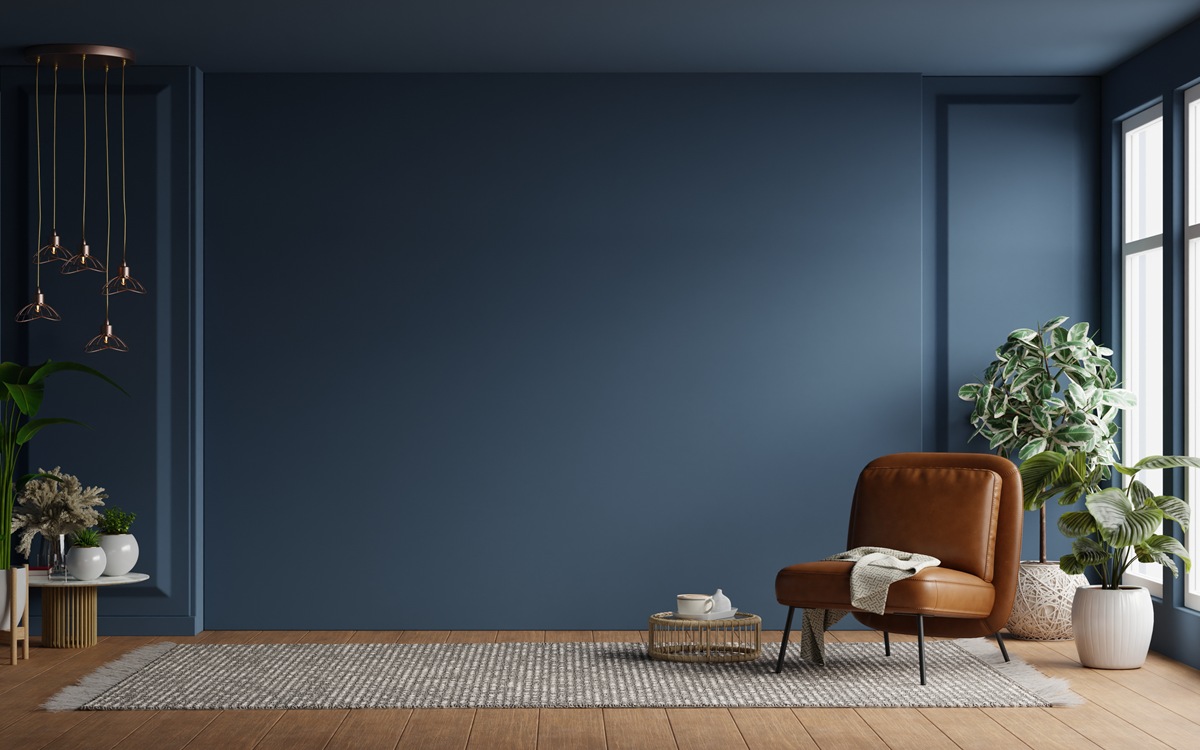
How to Decide: A Room-by-Room Approach
Most homes benefit from using multiple finishes. Professional painters often use this strategy for an interior house painting project: flat on ceilings, satin on most walls, and semi-gloss on trim and doors. This combination gives you the best of each finish where it matters.
Here’s a practical way to think about which paint finish to choose for each space:
Ask yourself three questions:
- How much traffic and touching will this surface get?
- How likely are spills, splashes, or sticky fingers?
- How smooth and well-prepared is the surface?
High traffic plus frequent messes plus smooth walls equals semi-gloss. Low traffic plus rare messes plus imperfect walls equals flat. Everything in between points toward satin.
The trim and door question:
Most professional painters recommend semi-gloss or even high-gloss for doors, window frames, baseboards, and crown molding. These surfaces get touched constantly and need regular cleaning. The higher sheen makes maintenance easier and creates a crisp contrast with wall colors.
The ceiling consideration:
Flat paint remains the standard for ceilings. The zero-sheen surface hides the texture imperfections common in ceiling drywall. It also prevents distracting reflections from overhead lighting. Some painters use a specific “ceiling paint” that’s formulated for overhead application and has an ultra-flat finish.
Common Mistakes Homeowners Make When Choosing Paint Finish
Using flat paint in high-traffic areas:
The beautiful matte look won’t last a month in a hallway or kids’ playroom. Scuff marks, handprints, and general wear will make the walls look dirty and worn quickly.
Choosing semi-gloss for walls with imperfections:
If your walls have patches, texture differences, or minor damage, semi-gloss will highlight every flaw. You’ll end up frustrated with walls that look worse after painting than before.
Forgetting about lighting conditions:
A finish that looks perfect at the paint store might behave differently in your home. Rooms with large windows and lots of natural light will show more sheen than rooms with limited lighting. Consider how your space is lit before making your final decision.
Skipping surface preparation:
No matter which paint finish to choose, proper prep work matters. Washing walls, filling holes, and sanding rough spots improves results with any finish. But it becomes absolutely necessary when using shinier paints that reveal imperfections.
What About Paint Quality?
The finish conversation often overshadows another important factor: paint quality. A premium flat paint may actually perform better than a bargain semi-gloss in terms of coverage, durability, and appearance.
Higher-quality paints typically offer better washability even in lower-sheen options. Some premium flat and matte paints are now formulated to handle light cleaning, though they still won’t match the scrub resistance of a quality semi-gloss.
When budgeting for your interior house painting project, consider investing in better paint rather than trying to save money with the cheapest option. The difference in how the paint looks, applies, and lasts often justifies the higher cost.
The Professional Perspective
When you ask experienced painters which paint finish to choose, they’ll usually recommend a mixed approach. The combination strategy accounts for how each room gets used and what each surface needs to look its best long-term.
A typical professional recommendation for a whole-house project might include:
- Flat ceiling paint throughout
- Satin for main living areas, bedrooms, and hallways
- Semi-gloss for kitchens, bathrooms, and all trim work
- Possible flat accent walls in master bedrooms or formal spaces
This approach balances aesthetics with practicality. You get the sophisticated look of flat paint where you can enjoy it, the versatility of satin where you need it, and the durability of semi-gloss where performance matters most.
Making Your Final Decision
Choosing between flat, satin, and semi-gloss doesn’t have to be overwhelming. Start with how you’ll actually use each space. Think about who lives in your home, whether you have kids or pets, and how much cleaning you’re willing to do.
When in doubt, satin works as a safe default for most wall surfaces. It offers enough durability for everyday life while still looking refined. Reserve flat for low-traffic spaces and ceilings. Save semi-gloss for bathrooms, kitchens, and trim.
If you’re still unsure about which paint finish to choose, consider getting sample pots of your color in different sheens. Paint small test patches on your actual walls and observe them at different times of day. You’ll quickly see which finish looks right in your specific space.
Ready to Start Your Painting Project?
Understanding paint finishes is one piece of the puzzle. Proper preparation, quality products, and skilled application all contribute to results you’ll love for years.
If you want to skip the guesswork and get it done right the first time, Rojas Painting can help. Our team knows exactly which paint finish to choose for every room in your home, and we’ll handle every detail from prep to final inspection.
Call us at 707-353-7471 to schedule a consultation. We’ll walk through your project, answer your questions, and give you a clear picture of what to expect. No pressure, no surprises—just honest advice from people who paint houses every day.

