
That can of ceiling paint sitting in the garage might look like the perfect shortcut when a wall needs a fresh coat. Ceiling paint is right there, it’s white, and it’s already paid for, so the logic makes sense. Homeowners across Petaluma and Sonoma County ask us all the time: can you use ceiling paint on walls, or is that a mistake you’ll end up fixing later? The short answer is yes, technically you can, but whether you should depends entirely on the room, the surface, and what you want the result to look like.
Key Takeaways
What Makes Ceiling Paint Different From Wall Paint
Understanding the differences is the first step toward answering whether can you use ceiling paint on walls makes sense for your project.
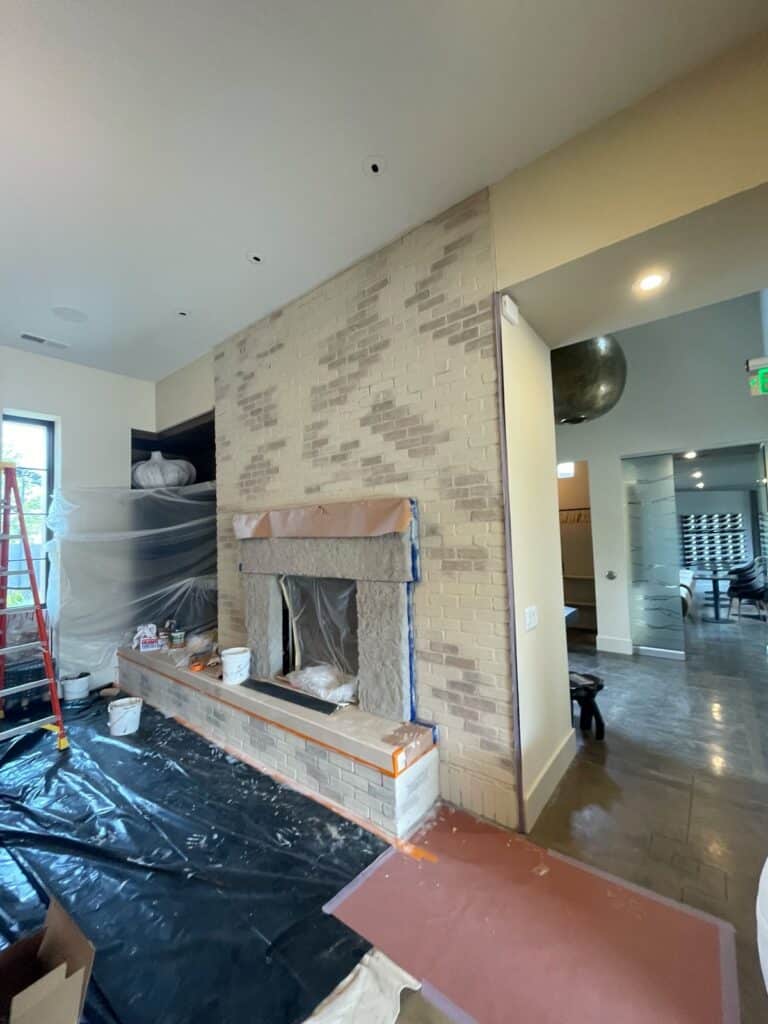
Ceiling paint is made for one specific purpose: covering flat, overhead surfaces. It has a thick consistency that reduces dripping and dries to a flat, non-reflective finish. That thickness helps it cling to the ceiling while you roll it overhead, and the flat finish hides seams, bumps, and old stains without reflecting light back at you.
Ceiling paint is thicker and designed to minimize drips and splatters, often with a flat finish to hide imperfections. Wall paint is thinner, more durable, and available in a wider range of colors and finishes to match aesthetic and functional needs.
Here’s a plain-language comparison:
| Feature | Ceiling Paint | Wall Paint |
|---|---|---|
| Finish options | Ultra-flat only | Flat, eggshell, satin, semi-gloss, gloss |
| Color options | Mostly white and off-white | Thousands of colors |
| Washability | Not built for scrubbing | Built to handle regular cleaning |
| Drying time | 24 to 72 hours to fully cure | 2 to 24 hours depending on type |
| Application | Thicker, clings overhead | Thinner, smoother on vertical surfaces |
Flat paint offers a completely non-reflective surface. While it provides excellent coverage and a rich look, flat paint can be more challenging to maintain, as it is prone to scuffs and stains. Sherwin-Williams recommends it specifically for ceilings, adult bedrooms, formal living rooms, and uneven or textured walls. That guidance from the Sherwin-Williams paint sheen guide makes clear that the same flat finish engineered to perform overhead becomes a liability on a wall people touch every day.
Can You Use Ceiling Paint on Walls? The Honest Answer
Yes, and professional painters do use it in specific situations. But for most rooms in a Petaluma or Santa Rosa home, the practical answer leans toward no, at least not for surfaces where people actually live and move around.
The core issue is washability. Wall paint tends to be much more durable when it comes to washing compared to ceiling paint. This makes sense because there likely will not be scratches or stains on the ceiling, so there is no need to wash it. For this reason, ceiling paint should not be used on walls, especially in high-traffic areas like the kitchen and bathroom.
When someone asks can you use ceiling paint on walls in a high-use space, the durability gap is the problem. Walls collect fingerprints, crayon marks, cooking grease, and everyday grime. Most ceiling paints are white or off-white since ceilings rarely need color variety. They stick well to overhead surfaces but are not made to handle scrubbing or daily wear.
There’s also the color problem. If you want a specific tone or color on your walls, ceiling paint will not give you many options. This is one of the biggest practical limits when considering it as a substitute for regular wall paint.
Where Ceiling Paint on Walls Can Actually Work
So can you use ceiling paint on walls in any situation that genuinely makes sense? Yes, and here are the honest ones:
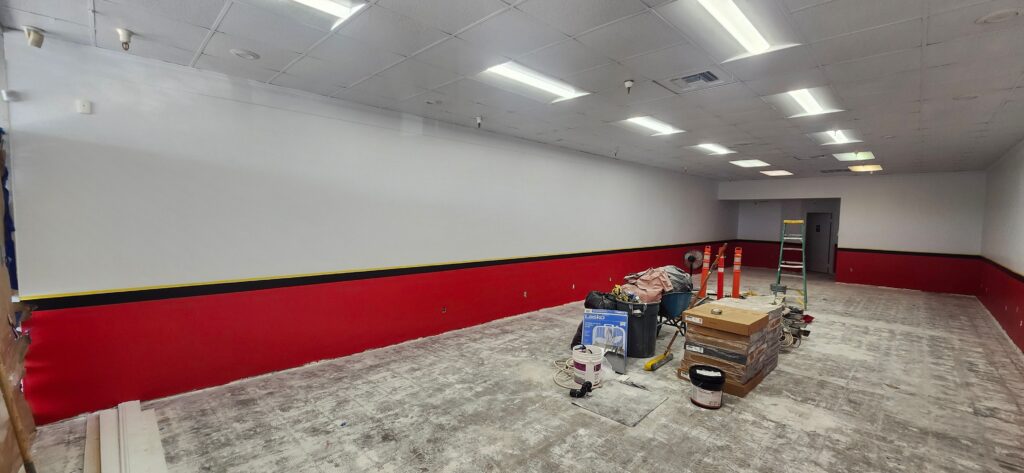
Closets and storage spaces. These areas see little contact and rarely need cleaning. It can be used in areas that remain hidden, such as closets, basements, game rooms, under a staircase, a nook, or cranny. A coat of ceiling paint here works fine because the surface is rarely touched.
As a base coat under higher-sheen wall paint. You can use it as a base coat or a primer if you paint a high-gloss coat on it. Some painters use ceiling paint as a first layer to seal and build coverage, then follow up with a proper wall paint finish for durability and color.
Low-traffic formal spaces. A formal sitting room or dining area that rarely gets used is a reasonable candidate. If the space stays clean and a very flat, muted look fits the design goal, ceiling paint on walls can work without much consequence.
Utility rooms and unfinished basements. There are situations where ceiling paint on walls is an excellent choice. For example, thicker ceiling paint is better for “dirty” or high-traffic areas, such as a mudroom or basement entry where you plan to repaint frequently anyway.
Even in these situations, keep in mind that on walls, the thickness of ceiling paint can make it harder to apply smoothly. You may end up with an uneven coat or visible roller marks. It takes more effort to get a clean, consistent finish on a vertical surface.
Where Ceiling Paint on Walls Will Let You Down
If you’re wondering can you use ceiling paint on walls in the spaces your family actually uses, here’s what typically goes wrong room by room.
Kitchens. Steam, grease, and cooking residue demand a paint surface you can actually wipe down. Ceiling paint won’t handle regular cleaning, and you’ll see staining and surface degradation quickly.
Bathrooms. Humidity is constant in bathrooms. Heat and moisture rise, so ceilings are more exposed to humidity, cooking steam, and shower vapor than most walls. Over time, this creates conditions where mold and mildew can take hold. Most ceiling paints include anti-microbial additives that resist mold growth, but the formula still isn’t built for the kind of repeated moisture a bathroom wall takes from the outside.
Hallways and entryways. Shoulder marks, hand smudges, and scuffs from furniture and bags add up fast in these spaces. Ceiling paint will show every contact point and won’t clean up well. These are exactly the walls where an eggshell or satin wall paint earns its cost.
Kids’ rooms. Markers, crayons, sticky hands, and mystery stains are facts of life. Ceiling paint has no defense against any of it.
Any wall that matters aesthetically. Using ceiling paint on walls can look dull or monotonous without the sheen of typical wall paints. It also reduces light reflection, providing a more matte appearance that can feel flat in rooms where color depth and finish matter to the overall look.
What Happens When It Goes Wrong
The question of can you use ceiling paint on walls often comes from good intentions, usually saving money or using leftover paint. The problem is what happens a few months later.
Homeowners who apply ceiling paint to the wrong surfaces notice the results pretty quickly. The finish looks dull in a way that reads as dirty rather than clean. Scuff marks appear and won’t wipe off. Stains set in and can’t be removed without damaging the surface underneath. Within a year, the wall looks tired.
Ceiling paint on walls may also require more coats for even coverage compared to wall paint, so the cost savings from using what was on hand often evaporate during application anyway. And when you decide to repaint, you typically have to do the whole wall, not just touch up the spots, because ceiling paint doesn’t accept touch-ups the same way wall paint does.
The bottom line: the fix usually costs more in time and labor than the original paint would have.
Choosing the Right Paint for North Bay Walls
Most walls in Petaluma, Sonoma, Novato, and San Rafael homes are best served by a quality eggshell or satin wall paint. These finishes clean up well, hold color for years, and look polished without being too shiny. For kitchens, bathrooms, and hallways, satin or semi-gloss gives you the scrub resistance those surfaces need.
You can expect to pay $20 to $60 per gallon for paint, with wall paint costing slightly less than ceiling paint for your project, which is one more reason the math doesn’t always favor ceiling paint as the “cheaper” choice when applied to walls.
If you’re sorting through finish options, our breakdown of flat, satin, and semi-gloss finishes covers each one in plain terms so you can match the right finish to each room. For ceiling work specifically, our post on how to achieve a professional flat ceiling finish walks through what quality overhead painting actually looks like. And if you’re still working through color decisions for a main living space, our living room paint color guide for Sonoma County is a practical place to start.
What the Rojas Painting Team Looks at Before Recommending a Product
When the Rojas Painting crew visits a home in Petaluma or across the North Bay for an estimate, product selection is part of the process from the start. The estimator looks at the room’s function, traffic level, lighting conditions, and current surface condition before recommending a coating system.
That process matters because applying can you use ceiling paint on walls as a blanket yes leads to callbacks, repaints, and avoidable problems. Rojas Painting is a member of the Painting Contractors Association, which means the team follows professional industry standards on product selection and surface preparation, not just for ceilings, but for every surface in the project.
The team backs interior work with a 3 to 5 year workmanship warranty. If something isn’t right after the job is done, it gets made right. That kind of commitment behind the work changes the math on which products get used where. You can also avoid common hiring pitfalls by reviewing the mistakes North Bay homeowners make when hiring a painter before you get started.
The Bottom Line
Can you use ceiling paint on walls? You can, and in a closet, a storage room, or as a base coat, it can make sense. But for any room where people cook, sleep, play, or spend time daily, ceiling paint on walls is a shortcut that tends to create more work than it saves. Wall paint is built for walls. Ceiling paint is built for ceilings. That separation exists because the two surfaces have completely different demands.
If you want someone who knows North Bay homes to walk through the job with you and make sure the right product lands on every surface, the Rojas Painting team is ready. Reach out to Rojas Painting today to schedule your free consultation and get a straightforward estimate for your Petaluma or Sonoma County home. Call Us Now! 707-353-7471

